

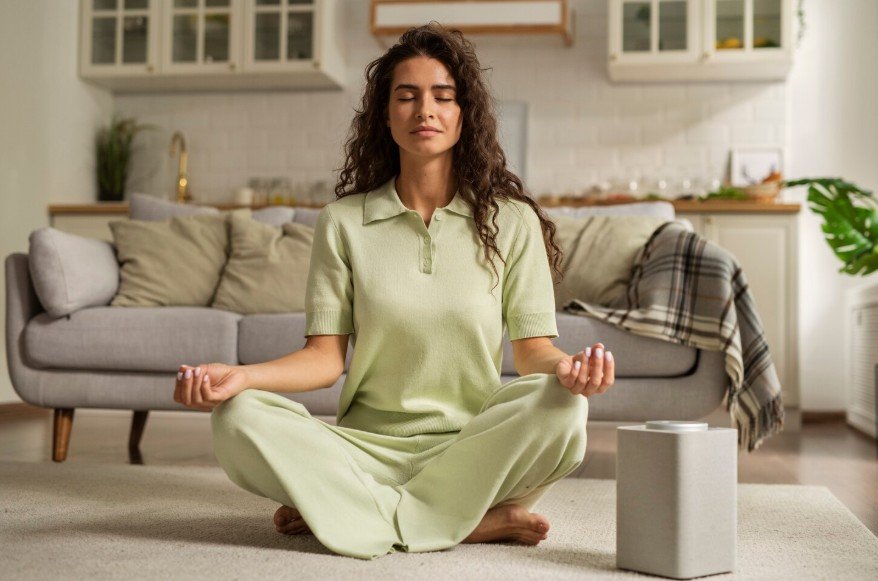
In today’s fast-paced world, the constant demands of work, family, and social obligations can leave us feeling overwhelmed, anxious, and burned out. The importance of knowing how to relax has never been more critical. Whether you’re dealing with the stress of daily life or simply need a moment to recharge, taking time to relax is essential for maintaining both physical and mental health.
Relaxation isn’t just about lounging on the couch—it’s a vital part of self-care that helps to reduce stress, improve sleep, and enhance overall well-being. If you’re unsure about how to relax effectively, this article will guide you through various methods, supported by science and expert advice, to help you unwind, find peace, and recharge.
Why Relaxation Is Important for Your Health
Understanding the significance of relaxation goes beyond simply feeling “better” in the moment. There are real, measurable health benefits that relaxation can provide, including:
- Reduced Stress: Chronic stress is a major contributor to health problems, including heart disease, high blood pressure, and mental health disorders. Relaxation helps lower stress hormones like cortisol, reducing the strain on your body and mind.
- Improved Sleep: A relaxed mind and body are more likely to sleep deeply and peacefully, which is crucial for overall health and well-being.
- Enhanced Focus: Taking time to relax can help refresh your mind, leading to improved cognitive function, clearer thinking, and better decision-making.
- Boosted Immune System: Chronic stress can weaken the immune system, but relaxation practices can boost immunity and help prevent illness.
Now that we understand why it’s essential to relax, let’s explore some effective ways to incorporate relaxation into your daily routine.
Effective Techniques on How to Relax
There is no one-size-fits-all approach to relaxation. Different methods work for different people, and it’s important to experiment to find what works best for you. Below are some of the most effective techniques for how to relax:
1. Deep Breathing Exercises
Breathing exercises are one of the simplest and most effective ways to relax your body and mind. When you focus on deep, slow breathing, you activate your parasympathetic nervous system, which triggers the body’s relaxation response.
How to Perform Deep Breathing:
- Sit or lie down in a comfortable position.
- Close your eyes and breathe in deeply through your nose, counting to four.
- Hold your breath for a moment, then exhale slowly through your mouth for a count of six.
- Repeat for 5–10 minutes.
Deep breathing exercises can help calm your nervous system, lower stress levels, and improve oxygen flow to your brain, helping you feel more relaxed almost immediately.
2. Progressive Muscle Relaxation (PMR)
Progressive Muscle Relaxation is a technique that involves tensing and then relaxing different muscle groups in your body. This method can help you become more aware of physical tension and release it. By focusing on each muscle group, you can learn to relax both mentally and physically.
Also Read: How to Heal a Sprained Ankle Overnight – Fast & Effective Tips
How to Perform Progressive Muscle Relaxation:
- Find a quiet place and sit or lie down comfortably.
- Start at your feet, and tense the muscles in your toes for about 5 seconds.
- Slowly release the tension and focus on how the muscles feel as they relax.
- Gradually work your way up your body—calves, thighs, abdomen, chest, arms, neck, and face—tensing and relaxing each muscle group.
- Breathe deeply and allow your body to release any remaining tension.
By practicing this regularly, you can train your body to recognize and release stress, making it easier to relax when needed.
3. Meditation for Relaxation
Meditation is a highly effective way to reduce anxiety and promote relaxation. By focusing your attention and eliminating the stream of thoughts that may crowd your mind, meditation can help you achieve a state of calm and mental clarity.
How to Meditate for Relaxation:
- Find a quiet, comfortable space to sit.
- Close your eyes and focus on your breath.
- As thoughts arise, gently acknowledge them and return your focus to your breath.
- Try meditating for 5–10 minutes at first, gradually increasing the time as you become more comfortable.
There are many types of meditation techniques, including mindfulness meditation, guided meditation, and body scan meditation, so experiment with different approaches to find the one that suits you best.
4. Aromatherapy and Essential Oils
Aromatherapy involves using essential oils to promote physical and mental well-being. Scents like lavender, chamomile, and sandalwood have been shown to reduce stress, improve mood, and promote relaxation.
How to Use Aromatherapy:
- Diffuse essential oils in your home using an essential oil diffuser.
- Add a few drops of lavender or chamomile oil to a warm bath.
- Apply diluted oils directly to your skin, such as on your wrists or temples, for an immediate calming effect.
Using aromatherapy in combination with other relaxation techniques can further enhance your ability to relax and de-stress.
5. Visualization Techniques
Visualization, also known as guided imagery, involves imagining a peaceful and relaxing scene in your mind, such as a quiet beach or a forest. It can be highly effective for reducing anxiety and promoting relaxation.
How to Visualize for Relaxation:
- Find a comfortable spot to sit or lie down.
- Close your eyes and take a few deep breaths.
- Imagine yourself in a peaceful location, paying attention to the sights, sounds, and smells around you.
- Engage all your senses and let the scene fully envelop your mind.
- Stay in the visualization for 5–15 minutes, focusing on how calm and relaxed you feel.
Visualization can transport your mind to a serene place, helping you leave stress behind and enter a state of relaxation.
How to Relax Through Lifestyle Changes
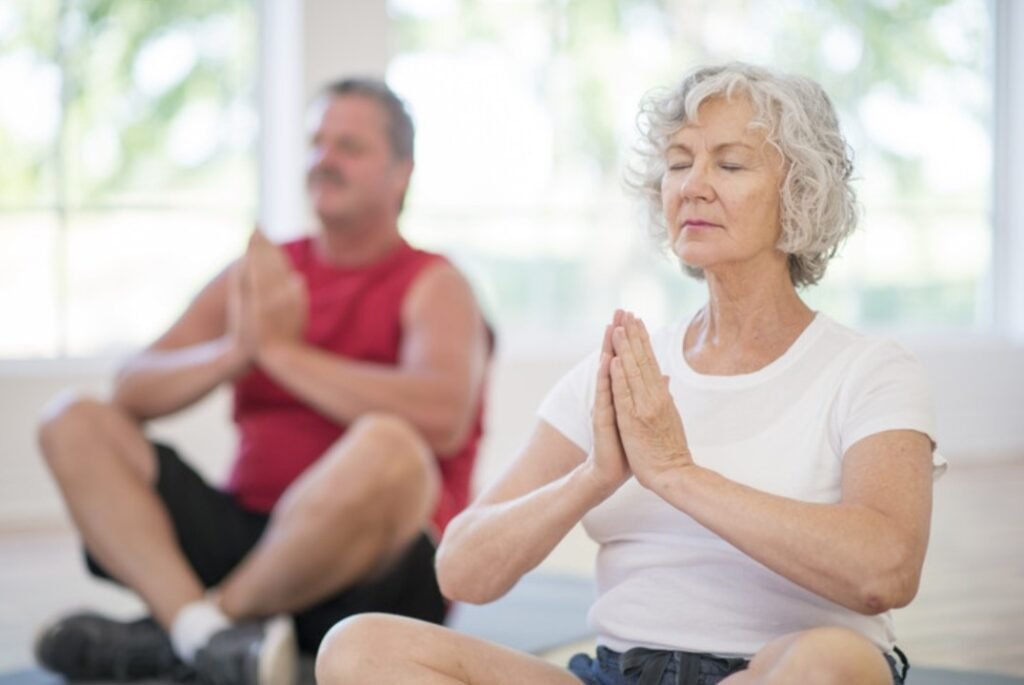
Incorporating relaxation into your daily life goes beyond just using techniques when you’re stressed. Making certain lifestyle changes can help create a more relaxed and balanced life overall.
1. Regular Physical Activity
Exercise is an excellent way to relax your body and mind. Physical activity releases endorphins, the brain’s natural mood elevators, and reduces stress hormones. Whether you prefer walking, yoga, swimming, or strength training, regular physical activity helps improve your mood and energy levels.
2. Adequate Sleep
Sleep is crucial for relaxation and overall health. When you’re well-rested, you’re better able to handle stress and approach challenges with a clear mind. Aim for 7–9 hours of sleep per night, and try to establish a relaxing bedtime routine, such as dimming the lights, avoiding screens, and reading a book before sleep.
3. Healthy Diet and Hydration
Eating a balanced diet and staying hydrated can have a significant impact on your ability to relax. Nutrient-rich foods help maintain stable blood sugar levels and support overall well-being. Additionally, staying hydrated ensures that your body functions optimally, helping you feel more relaxed and energized.
4. Setting Boundaries and Managing Time
Learning to say “no” and setting boundaries with work, family, and friends can greatly reduce feelings of overwhelm. Time management strategies, like using planners or setting daily goals, can help you prioritize tasks and ensure you have time for relaxation.
Also Read: How to Disconnect Car Battery Safely: Step-by-Step Guide
The Science Behind How to Relax
The science of relaxation lies in the way our bodies respond to stress. When we’re stressed, our bodies enter a “fight-or-flight” mode, releasing hormones like adrenaline and cortisol that prepare us to face danger. While this response was essential for survival in prehistoric times, it’s less useful in today’s world of chronic stress. Relaxation techniques help counter this reaction by stimulating the parasympathetic nervous system (also known as the “rest and digest” system), which slows the heart rate, reduces blood pressure, and promotes a state of calm.
Research shows that consistent practice of relaxation techniques, like deep breathing, meditation, and progressive muscle relaxation, can lower levels of cortisol and enhance overall well-being.
Conclusion: Embrace Relaxation for Better Health
Knowing how to relax is an essential skill in today’s world. Whether you choose deep breathing exercises, progressive muscle relaxation, or lifestyle changes, taking the time to relax will benefit your body and mind in the long run. Regular relaxation can reduce stress, improve sleep, and help you maintain a healthy, balanced life.
Don’t wait for burnout or exhaustion to force you into a state of relaxation. Prioritize relaxation daily, and you’ll notice improvements in your mood, productivity, and overall well-being. The benefits are immediate, and the rewards last a lifetime.
Frequently Asked Questions
1. How can I relax after a stressful day at work?
To relax after a stressful day at work, consider deep breathing exercises, taking a warm bath with essential oils, or practicing yoga. Disconnecting from work by engaging in a relaxing hobby or spending time outdoors can also help.
2. Can relaxation techniques help with anxiety?
Yes, relaxation techniques like meditation, deep breathing, and progressive muscle relaxation can significantly reduce anxiety by calming the nervous system and promoting a sense of well-being.
3. How often should I practice relaxation techniques?
It’s recommended to practice relaxation techniques daily, even if only for a few minutes. The more consistently you practice, the more effective it will be in helping you manage stress and improve relaxation over time.
