

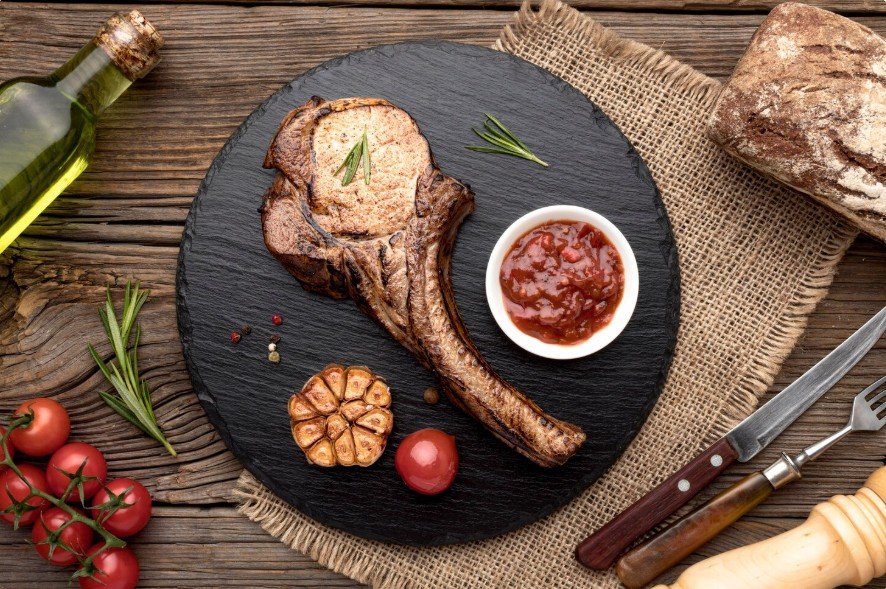
A veal chop is widely regarded as one of the most refined and luxurious cuts of meat available to chefs and home cooks alike. Prized for its delicate texture, pale color, and subtle yet deeply satisfying flavor, the veal chop represents a culinary tradition rooted in craftsmanship, animal husbandry, and classic European cuisine. As a premium, tender cut of meat from the loin or rib of a young calf, it occupies a unique space between simplicity and sophistication, making it equally suited for celebratory dinners and refined everyday meals.
In recent years, interest in veal has grown alongside conversations about quality sourcing, ethical farming, and nose-to-tail cooking. Understanding what makes a veal chop special requires more than knowing how to cook it. It involves appreciating where it comes from, how it differs from beef, and why its tenderness and flavor profile are so distinctive. This comprehensive guide explores every aspect of the veal chop, from anatomy and production to nutrition, preparation, and modern culinary relevance, all while maintaining a clear focus on expertise, trust, and real-world experience.
What Is a Veal Chop?
A veal chop is cut from the rib or loin section of a young calf, typically under six months of age. Because the animal has not yet developed the dense muscle fibers and strong connective tissue found in older cattle, the meat remains exceptionally tender. The chop is usually bone-in, with the rib bone or T-shaped bone left intact to enhance flavor and presentation.
Unlike beef chops, which are darker and more robust in taste, veal chops are pale pink with a fine grain. This visual distinction signals their mild flavor and soft texture. Many chefs compare a well-prepared veal chop to the tenderness of high-quality pork or even the delicacy of poultry, though it retains the richness characteristic of red meat.
The term veal chop nursing is often used in discussions of traditional veal production, referring to calves that are primarily milk-fed. This feeding method contributes to the light color and gentle flavor that define classic veal, though modern standards emphasize balanced nutrition and animal welfare.
Also Read: What Is Veal? Definition, Nutrition, Ethics & Uses
Why Veal Chops Are Considered a Premium Cut
The premium status of the veal chop comes from a combination of rarity, texture, and culinary versatility. Only a limited number of chops can be harvested from each calf, and the loin and rib sections are among the most desirable parts. These areas perform less physical work, which keeps the muscle fibers fine and tender.
From a culinary perspective, veal chops offer remarkable adaptability. They can be pan-seared, grilled, roasted, or braised lightly without losing moisture. Their mild flavor also makes them an ideal canvas for herbs, butter-based sauces, wine reductions, and classic preparations such as Milanese or saltimbocca-style adaptations.
In professional kitchens, veal chops are often featured as center-of-the-plate entrées due to their impressive appearance. The bone adds height and drama, while the meat itself delivers consistent quality when handled correctly. This combination of visual appeal and eating pleasure reinforces their reputation as a luxury ingredient.
The Difference Between Veal Chop and Beef Chop
Understanding how a veal chop differs from a beef chop helps explain its culinary appeal. Beef chops come from mature cattle and therefore have darker meat, firmer texture, and a stronger, more pronounced flavor. They often require longer cooking times or higher heat to break down connective tissue.
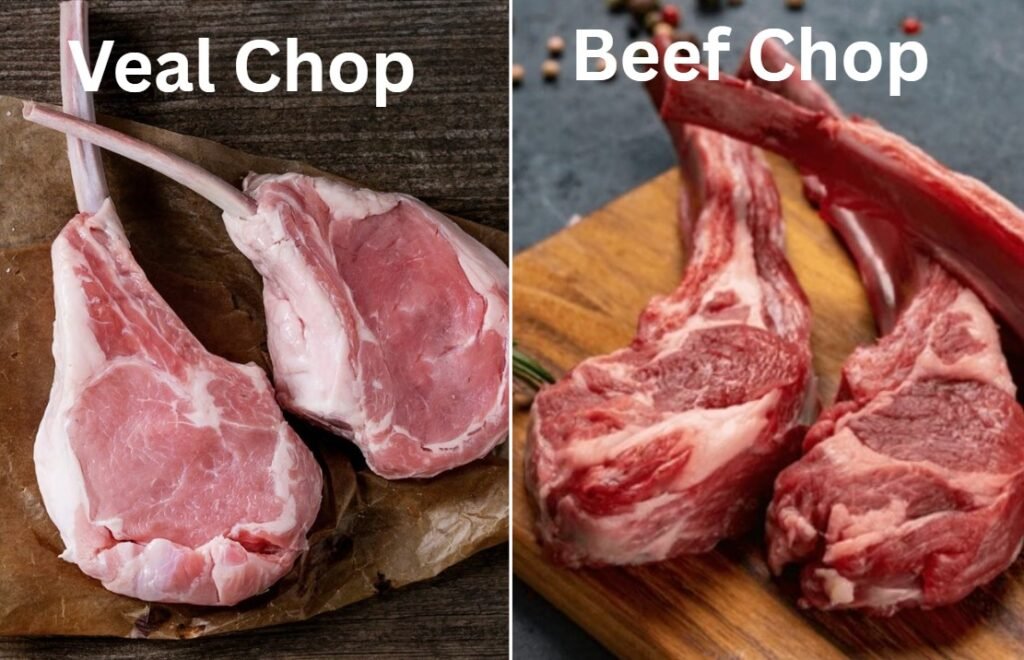
A veal chop, by contrast, cooks quickly and evenly. The muscle fibers are shorter and more delicate, which reduces the risk of toughness. Flavor-wise, veal is subtler, often described as slightly sweet or creamy, especially in cuts associated with veal chop nursing traditions.
Nutritionally, veal is typically leaner than beef, with lower fat content but high-quality protein. This makes veal chops attractive to diners who want richness without heaviness. The lighter flavor also pairs well with seasonal vegetables, citrus, and fresh herbs, allowing the meal to feel balanced rather than overwhelming.
Anatomy of the Veal Chop: Loin and Rib Explained
The loin and rib are the two primary sources of veal chops, and each offers slightly different characteristics. A rib veal chop is cut from the rib section and often features a long, elegant bone. This cut is especially tender and juicy, with a higher proportion of intramuscular fat that enhances flavor.
Loin veal chops, sometimes called T-bone veal chops, include a portion of both the loin and tenderloin separated by a T-shaped bone. This provides a combination of textures, with the tenderloin side being exceptionally soft. Loin chops are often thicker and well-suited to high-heat cooking methods followed by gentle finishing.
Both cuts exemplify why a veal chop is described as a premium, tender cut of meat from the loin or rib of a young calf. The choice between them often comes down to presentation preference and cooking style rather than quality differences.
Flavor Profile and Texture
The hallmark of a great veal chop is its texture. When cooked properly, it yields easily under the knife and feels almost buttery on the palate. The flavor is mild but not bland, offering subtle notes of dairy, nuts, and fresh meat that reflect the calf’s diet.
This understated flavor is one reason veal chops are so versatile. They can support bold sauces such as mushroom cream or Marsala reductions without being overwhelmed. At the same time, they shine in minimalist preparations seasoned simply with salt, pepper, and olive oil.
Chefs often emphasize that the true quality of a veal chop becomes apparent when it is cooked with restraint. Overcooking can dry out the meat and mask its natural tenderness. Proper temperature control and resting time are essential to preserving its signature characteristics.
Veal Chop Nursing and Modern Farming Practices
The phrase veal chop nursing refers to traditional milk-fed veal, where calves are nourished primarily on milk or milk replacers. This practice historically produced the pale, tender meat associated with classic veal dishes. Today, veal production has evolved significantly, particularly in response to consumer concerns about animal welfare.
Modern veal farming in many countries emphasizes humane housing, group living, and balanced diets that may include grains and forage alongside milk. These practices aim to maintain meat quality while improving ethical standards. As a result, today’s veal chops may vary slightly in color and flavor, though they remain tender and mild compared to beef.
From an SEO and consumer trust perspective, transparency around sourcing matters. Reputable producers and butchers are increasingly open about their methods, allowing consumers to make informed choices that align with their values without sacrificing quality.
Nutritional Value of Veal Chops
Veal chops are not only prized for taste but also for their nutritional profile. They are an excellent source of high-quality protein, essential for muscle repair and overall health. A typical veal chop provides significant amounts of vitamin B12, zinc, and iron, nutrients that support energy metabolism, immune function, and red blood cell production.
Compared to many cuts of beef, veal is generally lower in fat and calories. This makes it appealing to those seeking a leaner red meat option. The fat that is present tends to be finely distributed, contributing to tenderness rather than heaviness.
From a dietary standpoint, veal chops can fit well into balanced eating patterns when consumed in moderation. Pairing them with vegetables, whole grains, and healthy fats enhances both nutritional value and overall meal satisfaction.
How to Choose a High-Quality Veal Chop
Selecting a high-quality veal chop begins with appearance. Look for meat that is pale pink to light rose in color, with a fine grain and minimal discoloration. The fat should be creamy white rather than yellow, indicating freshness and proper feeding.
Thickness is another key factor. A good veal chop is usually at least one to one and a half inches thick, which allows for proper searing without overcooking the interior. The bone should be clean and intact, adding both flavor and visual appeal.
Sourcing from a trusted butcher or reputable supplier increases the likelihood of consistent quality. Asking about the calf’s age, diet, and farming practices can provide additional reassurance, especially for consumers interested in veal chop nursing traditions or humane production methods.
Cooking Techniques That Showcase a Veal Chop
Cooking a veal chop successfully requires attention to heat and timing. Because the meat is naturally tender, aggressive cooking methods can do more harm than good. Pan-searing followed by oven finishing is a classic approach that allows for a flavorful crust and even internal doneness.
Grilling is another popular method, particularly for rib veal chops. Moderate heat and careful turning help preserve moisture while adding smoky notes. Regardless of method, seasoning should enhance rather than dominate the meat’s natural flavor.
Resting the veal chop after cooking is crucial. Allowing the juices to redistribute ensures a moist, tender result. This step is often overlooked but makes a noticeable difference in the final texture and eating experience.
Classic and Modern Pairings
Veal chops have long been associated with classic European cuisine, particularly Italian and French traditions. Pairings with sage, rosemary, thyme, and garlic are timeless, as are sauces made with butter, wine, or cream.
Modern chefs often reinterpret these classics by incorporating seasonal produce and global flavors. Citrus zest, capers, or light tomato-based sauces can brighten the dish, while earthy elements like mushrooms or root vegetables add depth.
Wine pairings typically favor lighter reds or full-bodied whites. Pinot Noir, Barbera, or an oaked Chardonnay complement the mild flavor of veal without overpowering it. These thoughtful pairings elevate the veal chop from a simple protein to a complete dining experience.
Veal Chop in Professional Kitchens and Home Cooking
In professional kitchens, the veal chop is a symbol of skill and precision. Its premium status demands careful handling and precise execution. Chefs often feature it as a signature dish, showcasing their understanding of balance and technique.
For home cooks, preparing a veal chop can feel intimidating at first, but it is surprisingly forgiving when approached with basic principles. Using a thermometer, respecting resting time, and avoiding overcooking are usually enough to achieve excellent results.
As interest in home gourmet cooking grows, veal chops have become more accessible. Specialty butchers, online meat purveyors, and improved distribution have made it easier for consumers to enjoy this once-rare cut.
Sustainability and Ethical Considerations
Sustainability is an increasingly important aspect of meat consumption, and veal is no exception. Ethical veal production focuses on responsible breeding, humane treatment, and efficient resource use. When calves are raised as part of integrated dairy systems, veal can play a role in reducing waste and supporting sustainable agriculture.
Consumers interested in sustainability should look for certifications or transparent sourcing information. Choosing veal chops from producers who prioritize animal welfare and environmental responsibility supports positive change within the industry.
These considerations also align with Google’s emphasis on helpful, trustworthy content. Providing context about sourcing and ethics helps readers make informed decisions beyond taste alone.
Common Misconceptions About Veal Chops
Veal has sometimes been misunderstood due to outdated perceptions of farming practices. While historical methods raised legitimate concerns, modern veal production has evolved significantly. Today’s veal chop nursing practices often emphasize balanced nutrition and humane treatment rather than confinement.
Another misconception is that veal lacks flavor. In reality, its subtlety is a strength, allowing the natural quality of the meat to shine through careful preparation. When sourced and cooked properly, a veal chop offers depth and satisfaction without heaviness.
Addressing these misconceptions openly helps build trust and encourages informed appreciation rather than avoidance based on outdated information.
The Cultural Significance of Veal Chops
Veal chops hold an important place in culinary history, particularly in European gastronomy. In Italy, veal has long been celebrated for its versatility, while French cuisine elevates it through refined sauces and techniques.
In modern global cuisine, veal chops continue to inspire innovation. Chefs blend traditional methods with contemporary flavors, reflecting evolving tastes and cultural exchange. This adaptability underscores why the veal chop remains relevant despite changing food trends.
Understanding this cultural context enriches the dining experience, transforming the veal chop from a simple meal into a connection with culinary heritage.
Conclusion: Why the Veal Chop Deserves Its Reputation
A veal chop truly earns its reputation as a premium, tender cut of meat from the loin or rib of a young calf. Its exceptional texture, mild yet nuanced flavor, and versatility in the kitchen make it a standout choice for both professionals and home cooks. When sourced responsibly and prepared with care, it offers a dining experience that balances luxury with approachability.
From its nutritional benefits to its cultural significance, the veal chop represents more than just a cut of meat. It reflects craftsmanship, respect for ingredients, and an appreciation for quality over excess. Whether enjoyed in a classic preparation or a modern reinterpretation, the veal chop remains a timeless symbol of culinary excellence.
Frequently Asked Questions About Veal Chops
What makes a veal chop more tender than beef?
The tenderness comes from the young age of the calf, which results in finer muscle fibers and less connective tissue compared to mature cattle.
Is veal chop nursing still practiced today?
Yes, though modern practices emphasize humane treatment and balanced diets, combining traditional milk feeding with improved welfare standards.
How should a veal chop be cooked to avoid dryness?
Moderate heat, careful timing, and proper resting are key. Overcooking is the most common cause of dryness.
Are veal chops healthy to eat?
Veal chops are a lean source of high-quality protein and essential nutrients, making them a nutritious option when consumed in moderation.
Can veal chops be grilled successfully?
Yes, grilling works well when heat is controlled and the chop is thick enough to retain moisture.
More Read: Fex Novo
