

Boiling eggs is one of the simplest cooking tasks, but many people struggle with getting it just right. Whether you’re looking to make a classic hard-boiled egg for a snack, a batch of deviled eggs for a party, or a soft-boiled egg for breakfast, knowing exactly how long to boil eggs for is crucial. The timing can make all the difference between overcooked, rubbery eggs and perfectly creamy yolks.
In this comprehensive guide, we’ll walk you through everything you need to know about boiling eggs. From understanding how long to boil eggs for hard-boiled eggs to getting the perfect soft-boiled egg, we’ve got you covered with step-by-step instructions, expert tips, and everything you need for flawless eggs every time.
Understanding the Different Types of Boiled Eggs
Before we dive into timing, it’s important to know that different types of boiled eggs require different cooking times. The key differences are based on the firmness of the egg yolk and how the egg is prepared. Here’s a quick breakdown of the three main types:
- Soft-Boiled Eggs: These eggs have a runny yolk and a firm white. They’re perfect for dipping toast into or topping on ramen.
- Medium-Boiled Eggs: The yolk is slightly creamy but firm enough to hold its shape, making it ideal for salads or as a filling for sandwiches.
- Hard-Boiled Eggs: These eggs have a fully set yolk and firm white. Hard-boiled eggs are great for snacking, making deviled eggs, or adding to salads.
The key to achieving your desired texture is the cooking time.
Also Read: How to Heal a Sprained Ankle Overnight – Fast & Effective Tips
How Long Do You Boil Eggs for Different Results?
How Long Do You Boil Eggs for Soft-Boiled Eggs?
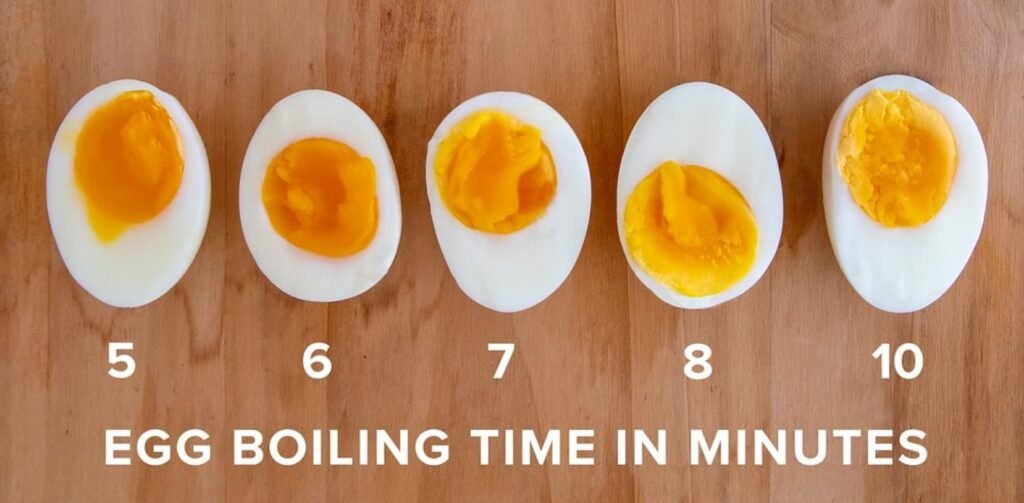
Soft-boiled eggs are often considered the most delicate. To achieve the perfect runny yolk with a firm white, timing is essential. Here’s how long you need to boil eggs for a soft-boiled result:
- Bring a pot of water to a boil. Use enough water to cover your eggs by about an inch or two.
- Lower the heat to a simmer. Gently add your eggs to the pot using a spoon to prevent cracking.
- Cook the eggs for 4 to 6 minutes. The exact time will depend on how runny you want your yolk:
- 4 minutes for very soft, runny yolks.
- 5 minutes for slightly set yolks.
- 6 minutes for soft but firm yolks.
After the cooking time, immediately remove the eggs and place them in a bowl of ice water to stop the cooking process. This will help prevent overcooking.
Also Read: How to Relax: Effective Techniques for Reducing Stress and Finding Calm
How Long Do You Boil Eggs for Medium-Boiled Eggs?
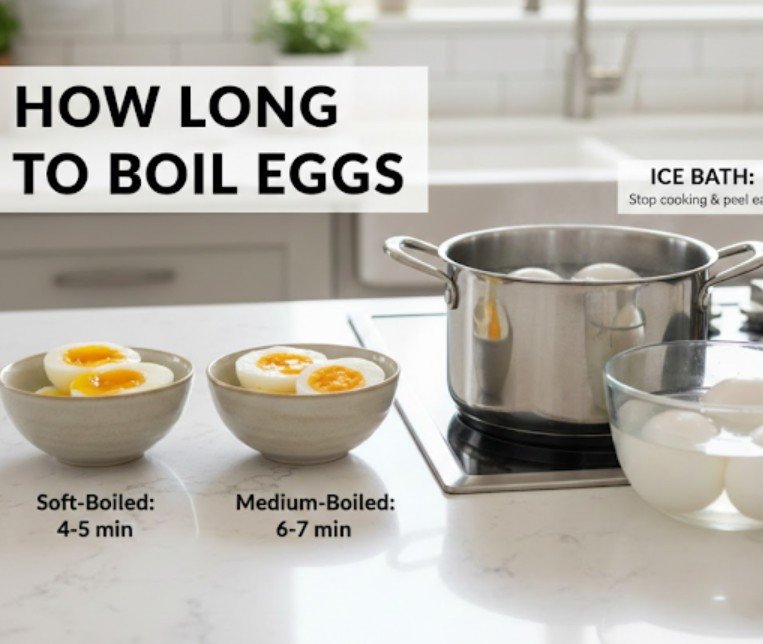
Medium-boiled eggs are the perfect balance between the runny yolk of a soft-boiled egg and the firm yolk of a hard-boiled egg. They’re ideal for adding to salads, sandwiches, or simply enjoying as a snack. Here’s how to make them:
- Bring water to a boil. Use enough water to cover the eggs by an inch or two.
- Lower the heat to a simmer. Gently add the eggs to the water, taking care to avoid cracking.
- Cook for 7 to 9 minutes. The cooking time will depend on how creamy or firm you prefer your yolks:
- 7 minutes will result in a slightly soft yolk that is still creamy.
- 9 minutes will give you a firmer yolk with a little creaminess.
After cooking, transfer the eggs to a bowl of ice water for about 5 minutes to halt the cooking process and make peeling easier.
Also Read: How to Cook Crab Legs Perfectly at Home | Easy Guide
How Long Do You Boil Eggs for Hard-Boiled Eggs?
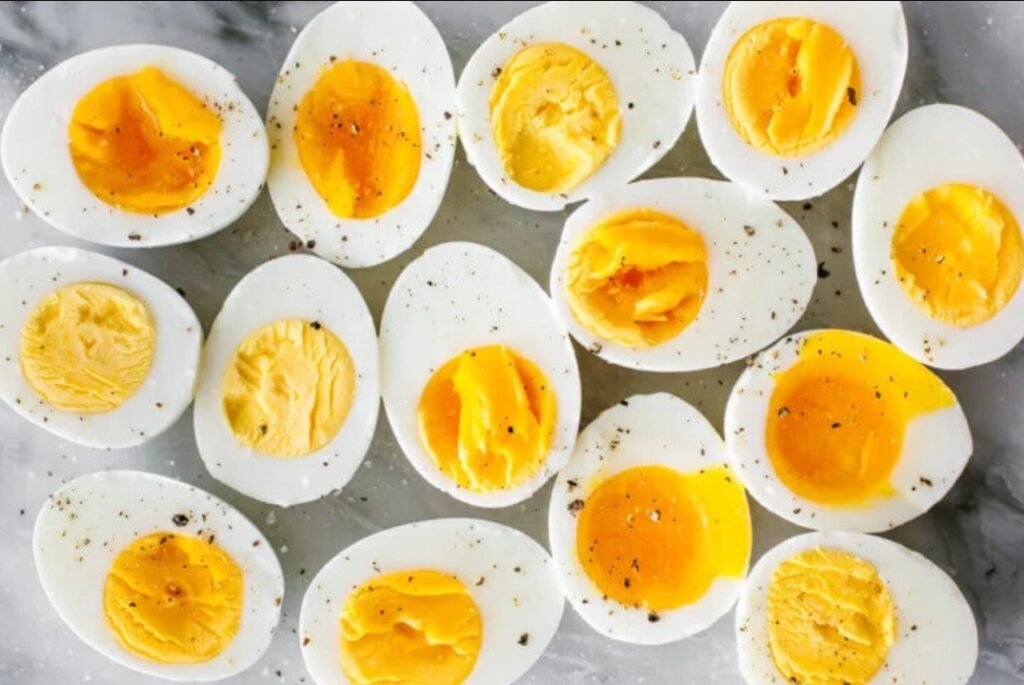
Hard-boiled eggs have a completely set yolk and firm white. These eggs are perfect for snacking, making deviled eggs, or adding to salads. Here’s how to boil them:
- Bring water to a boil. Use enough water to cover the eggs by about an inch or two.
- Lower the heat to a simmer. Add the eggs carefully to the water to avoid cracks.
- Cook for 10 to 12 minutes. The exact time will depend on your desired yolk consistency:
- 10 minutes will give you a slightly creamy yolk.
- 12 minutes will ensure a fully firm yolk.
Once the eggs are cooked, transfer them to an ice water bath to stop the cooking process and make peeling easier.
Also Read: How to Minimize Pores: Expert Tips for Smooth Skin
Tips for Boiling Eggs Perfectly Every Time
Achieving the perfect boiled egg isn’t just about timing—it also involves a few helpful tips to ensure consistency and ease. Here are some tried-and-true techniques:
1. Start with Room Temperature Eggs
If your eggs are stored in the refrigerator, take them out at least 10 minutes before boiling. This helps prevent cracking due to the temperature difference between the egg and the hot water.
2. Use Fresh Eggs (But Not Too Fresh!)
Eggs that are too fresh can be difficult to peel, while older eggs peel more easily. Aim to use eggs that are about a week old for the best peeling experience.
3. Don’t Overcrowd the Pot
Make sure the eggs aren’t packed too tightly in the pot. If they’re overcrowded, they’re more likely to crack. A single layer in the pot ensures they cook evenly.
4. Control the Temperature
Bring your water to a boil before lowering the heat to a simmer. A full rolling boil can crack the eggs and cause uneven cooking. A gentle simmer ensures even cooking and prevents the eggs from bouncing around in the pot.
5. Use an Ice Bath to Stop the Cooking
Once your eggs are done boiling, immediately transfer them to a bowl of ice water. This stops the cooking process and makes peeling much easier.
Also Read: How to Make Playdough: Easy Guide for Soft, Homemade Playdough
How Long Do You Boil Eggs for Deviled Eggs?
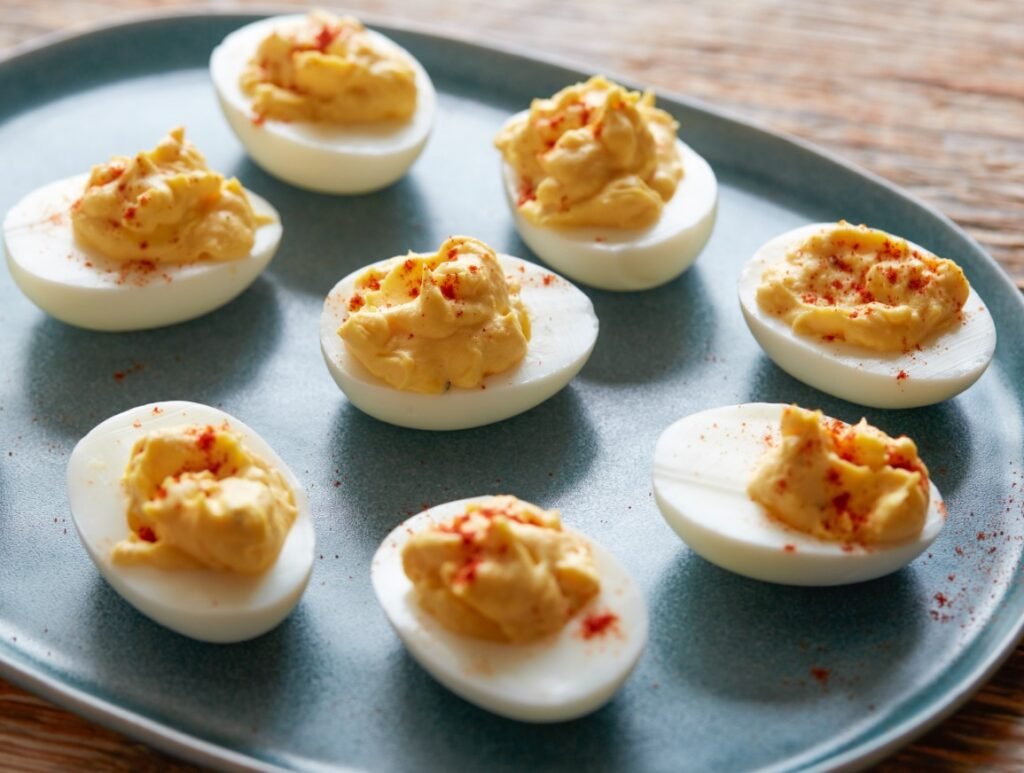
Deviled eggs are a classic party appetizer, and to make them, you’ll need perfectly hard-boiled eggs. The ideal cooking time for deviled eggs is around 10 to 12 minutes for hard-boiled eggs with fully set yolks. Here’s how to do it:
- Boil the eggs for 10 to 12 minutes as outlined above.
- Cool them in an ice water bath for about 5 minutes to stop the cooking process.
- Peel and slice the eggs. Cut them in half, remove the yolks, and mash them with your preferred filling ingredients (such as mayo, mustard, or pickles).
Perfectly cooked hard-boiled eggs make for the best deviled eggs, with smooth, creamy yolks that blend beautifully with the other ingredients.
Also Read: How to Calculate Square Feet: Easy Step-by-Step Guid
How to Peel Boiled Eggs Easily
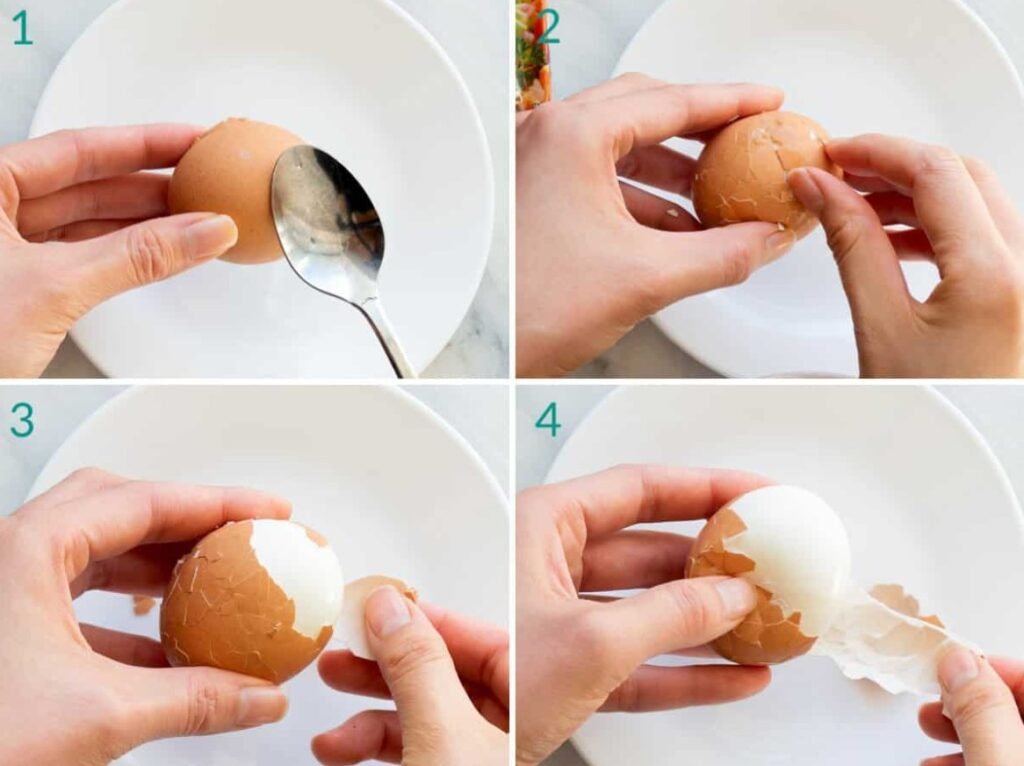
Peeling boiled eggs can sometimes be tricky, but there are a few tips to make it easier:
- Ice Bath: After boiling, always place your eggs in an ice water bath. This helps separate the shell from the egg white, making peeling easier.
- Crack and Roll: Gently tap the boiled egg on a hard surface to crack the shell, then roll it to loosen the shell evenly.
- Peel Under Water: Peeling the egg under running water can help remove stubborn bits of shell.
Also Read: How to Use a Compass: A Beginner’s Guide to Navigation
Why Boiling Times Matter
Boiling eggs is a precise process because the timing impacts the texture and consistency of both the egg white and yolk. Here’s how different cooking times affect the egg:
- Soft-boiled (4-6 minutes): The egg white is firm, and the yolk is runny or soft.
- Medium-boiled (7-9 minutes): The egg white is firm, and the yolk is creamy but firm enough to hold its shape.
- Hard-boiled (10-12 minutes): The egg white and yolk are both firm, with no creaminess remaining in the yolk.
Finding the perfect balance of firmness and creaminess is key to getting your eggs just right. Experiment with different times to determine which texture works best for your needs.
Conclusion
Knowing how long to boil eggs for your desired outcome is the first step to making perfectly boiled eggs. Whether you prefer soft-boiled eggs for a runny yolk, medium-boiled eggs with a creamy texture, or hard-boiled eggs for a firm yolk, the right timing makes all the difference. By following these guidelines and using the tips provided, you’ll be able to make perfect boiled eggs every time, whether you’re preparing them for a snack, salad, or deviled eggs.
FAQs
Q1: How do I know when my boiled eggs are done?
The best way to check is by using the recommended times (4-6 minutes for soft-boiled, 7-9 minutes for medium-boiled, 10-12 minutes for hard-boiled). If you’re unsure, you can also crack one open and check the yolk for your desired consistency.
Q2: Can I boil eggs without a timer?
It’s possible, but using a timer ensures the most consistent results. A good way to test is by looking for slight cracks in the shell after a few minutes, but this requires careful attention.
Q3: Can I boil eggs in a pressure cooker?
Yes! A pressure cooker can be a great way to boil eggs. For hard-boiled eggs, cook them for about 5 minutes on high pressure, followed by a quick release.
Q4: How can I make peeling boiled eggs easier?
The key to easy peeling is using eggs that aren’t too fresh and always placing them in an ice water bath immediately after cooking.
