

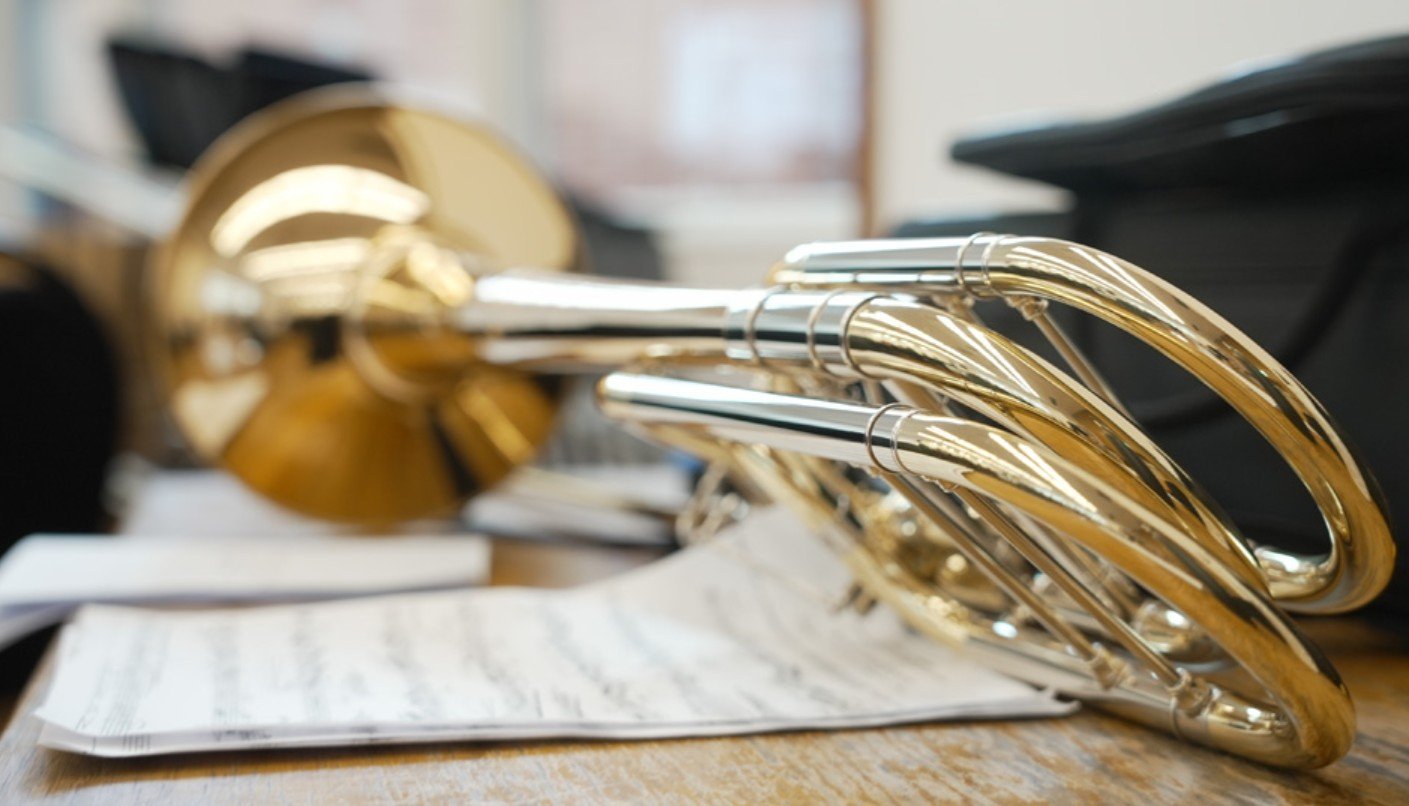
Brass, a popular material used in various household items and hardware, adds a touch of elegance and warmth to your home. However, over time, it can lose its luster due to oxidation and tarnish. If you’ve ever wondered how to clean brass and restore it to its shiny, gleaming state, you’re in the right place. In this comprehensive guide, we will explore several effective methods for cleaning brass, from household solutions to specialized products.
Whether it’s brass hardware on doors, light fixtures, or decorative items, knowing how to clean brass properly is essential to maintain its beauty. So, let’s dive in and discover the best ways to clean brass and keep it looking pristine for years to come!
Understanding Brass: What Makes It Tarnish?
Before diving into the cleaning methods, it’s important to understand why brass tarnishes in the first place. Brass is an alloy made primarily of copper and zinc, and while it is known for its durability, it is also prone to tarnishing over time due to exposure to air, moisture, and environmental elements. Tarnish is a layer of oxidation that forms on the surface of the metal, giving it a dull, discolored appearance.
Brass is particularly susceptible to tarnishing if it is left exposed to high humidity, oils, and even fingerprints. Regular cleaning can help prevent buildup and maintain the brass’s natural glow.
The Best Ways to Clean Brass
Now that we know why brass tarnishes, let’s explore the various methods available to clean brass. Depending on the item you’re cleaning and the level of tarnish, different techniques may be more suitable. Below are the most effective ways to clean brass items and brass hardware.
1. How to Clean Brass with Household Items
For minor tarnishing or regular maintenance, cleaning brass with household ingredients can be both cost-effective and highly effective. Here are some common household methods:
How to Clean Brass with Vinegar and Baking Soda
One of the most popular and simplest ways to clean brass is by using vinegar and baking soda. The acidity in vinegar helps break down the tarnish, while baking soda acts as a gentle abrasive to scrub away grime.
- Materials Needed:
- 1/2 cup white vinegar
- 1 tablespoon baking soda
- Water
- Soft cloth or sponge
- Steps:
- Mix the vinegar and baking soda in a bowl to form a paste.
- Dip a soft cloth or sponge into the paste and gently rub the brass item.
- Focus on the tarnished areas, applying light pressure to avoid scratching the surface.
- After cleaning, rinse the brass item under water and dry it thoroughly with a clean, soft cloth.
This method is excellent for cleaning brass items such as jewelry, small decorative pieces, and other lightly tarnished objects.
How to Clean Brass with Lemon and Salt
Lemon and salt are another effective duo for removing tarnish from brass. The acidity in lemon juice helps break down tarnish, while salt acts as a mild abrasive.
- Materials Needed:
- 1 lemon
- 1 tablespoon salt
- Soft cloth or sponge
- Steps:
- Cut the lemon in half and sprinkle salt on the cut surface.
- Rub the lemon directly onto the tarnished brass, using a little pressure to work through the tarnish.
- After the tarnish is removed, wipe away any lemon juice and salt residue with a damp cloth, then dry thoroughly with a clean cloth.
This method works well for cleaning brass hardware, light fixtures, and other small brass objects.
2. How to Clean Brass Hardware: Using Commercial Brass Cleaners
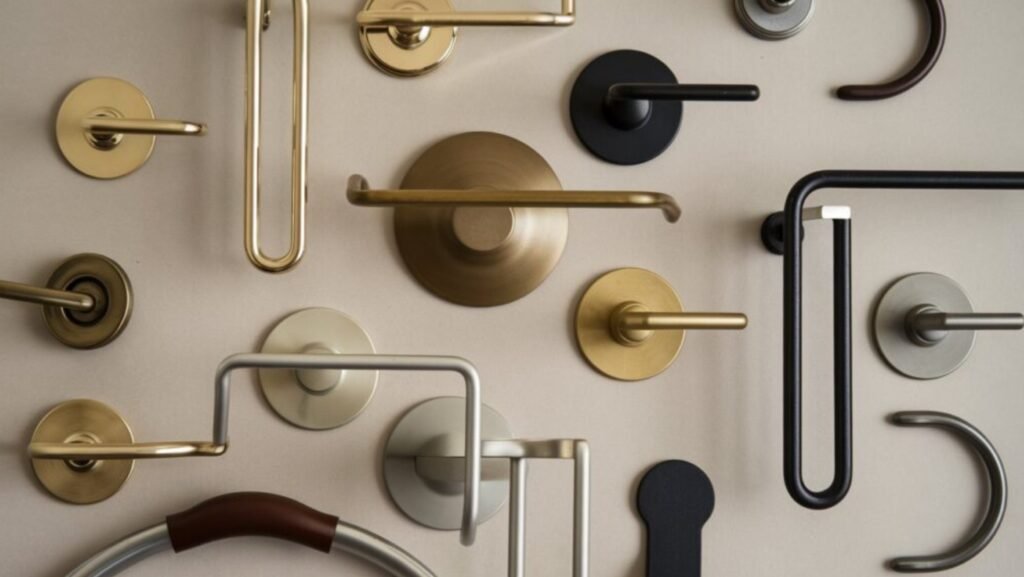
While household solutions are great for light cleaning, sometimes brass hardware, such as doorknobs, drawer pulls, or hinges, might need a more powerful solution. Commercial brass cleaners are specifically designed to clean brass without causing damage. These cleaners often contain chemicals that can remove stubborn tarnish and restore the original shine.
How to Clean Brass Hardware with Commercial Cleaners
- Materials Needed:
- Commercial brass cleaner (look for a product specifically designed for brass)
- Soft cloth or microfiber cloth
- Steps:
- Apply the brass cleaner to a soft cloth or microfiber cloth.
- Gently rub the brass hardware, focusing on tarnished areas. Be sure to follow the manufacturer’s instructions for best results.
- After cleaning, wipe away any excess cleaner with a dry cloth.
- If necessary, apply a thin layer of brass polish to restore shine.
Using commercial brass cleaners is particularly useful for cleaning brass hardware such as light fixtures, doorknobs, and drawer handles that have significant tarnish buildup.
Also Read: How to Disconnect Car Battery Safely: Step-by-Step Guide
3. How to Clean Brass Items with Tarnish Remover
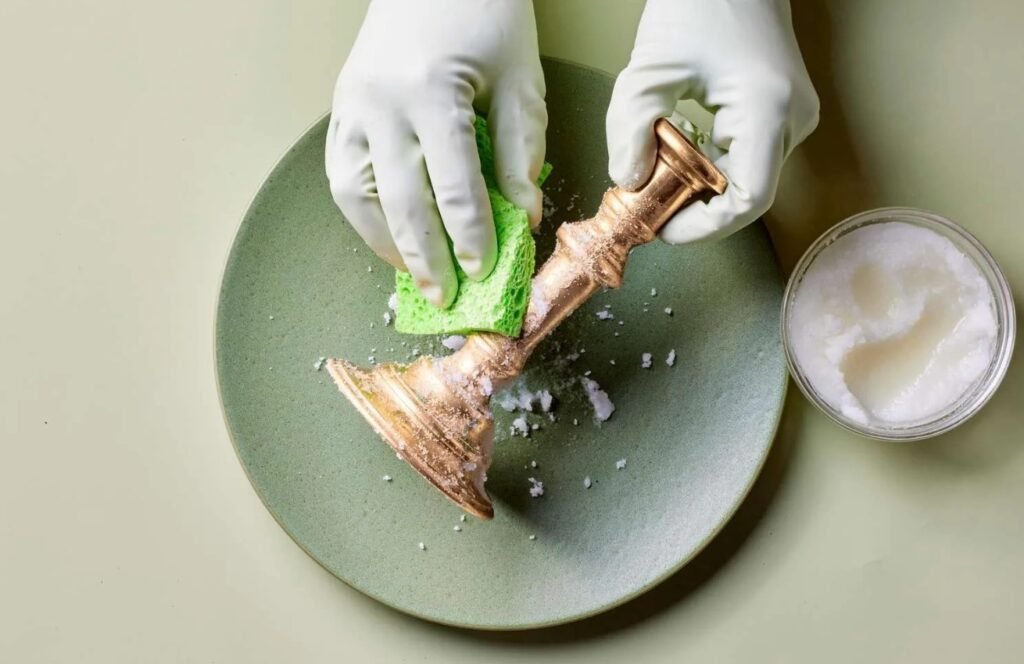
If your brass items are severely tarnished and household methods aren’t cutting it, consider using a brass tarnish remover. These products are formulated to target and eliminate deep tarnish, leaving your brass items gleaming.
How to Clean Brass Items with Tarnish Remover
- Materials Needed:
- Brass tarnish remover (such as Brasso or Wright’s Brass Polish)
- Soft cloth or polishing cloth
- Steps:
- Apply the tarnish remover to a soft cloth according to the product instructions.
- Gently buff the brass item in small circular motions.
- Once the tarnish is gone, use a clean, dry cloth to polish the brass.
- Repeat the process if necessary for extremely tarnished items.
Tarnish removers are great for cleaning brass items such as antiques, collectibles, or anything that has significant tarnish.
Also Read: How to Cook Crab Legs Perfectly at Home | Easy Guide
4. How to Clean Brass Using a DIY Cleaning Paste
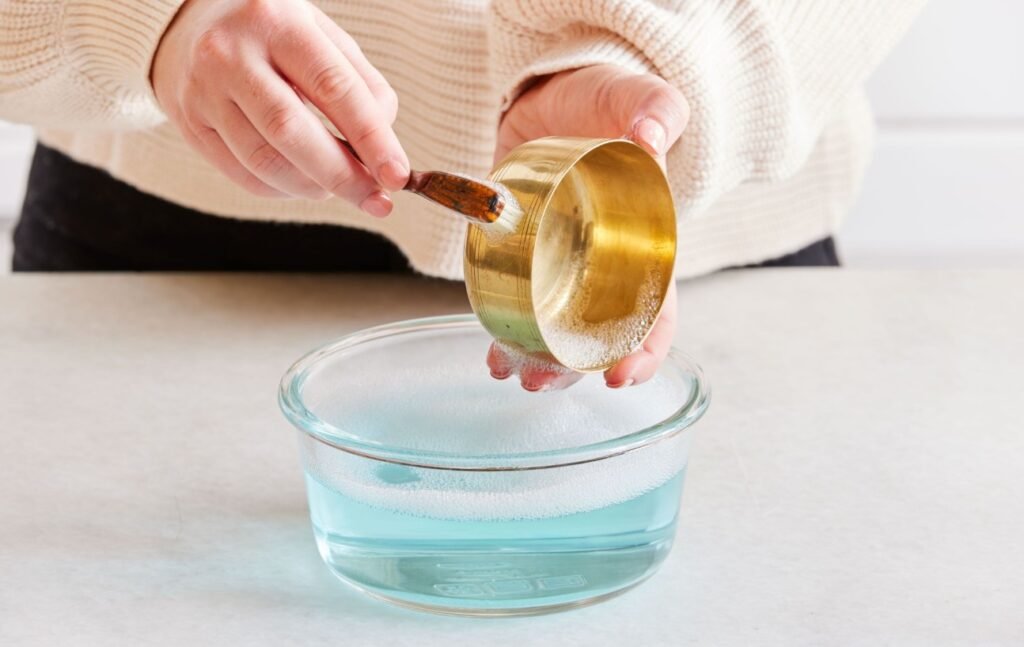
Creating your own cleaning paste is another great method for cleaning brass, particularly for heavy tarnish. A DIY paste made from common household ingredients like flour, salt, and vinegar can be a more eco-friendly and inexpensive solution.
How to Clean Brass with a DIY Cleaning Paste
- Materials Needed:
- 1 tablespoon salt
- 1 tablespoon flour
- 1 tablespoon vinegar
- Water (if needed to adjust consistency)
- Soft cloth or sponge
- Steps:
- Mix salt, flour, and vinegar to form a thick paste.
- If the paste is too thick, add a small amount of water to loosen it.
- Apply the paste to the brass item, using a cloth or sponge to rub it into the tarnished areas.
- Allow the paste to sit for 10-15 minutes before rinsing it off with warm water.
- Dry the brass with a clean, soft cloth.
This DIY method is ideal for cleaning brass items like lamps, vases, and larger pieces of brass hardware.
Also Read: How Often to Rotate Tires: Essential Tips for Tire Maintenance
5. Regular Maintenance to Keep Brass Clean
To keep your brass items looking their best, regular maintenance is key. Brass will naturally tarnish over time, but frequent cleaning can help delay the buildup. Here are a few maintenance tips:
- Wipe brass items regularly: Use a soft, dry cloth to wipe down your brass hardware and decorative pieces. This helps remove oils, dust, and fingerprints that can accelerate tarnishing.
- Apply a protective coating: Some people prefer to coat their brass items with a layer of clear lacquer to prevent tarnishing. However, this can change the appearance of the brass, so it’s essential to consider whether this is the right option for you.
- Use brass polish sparingly: While brass polish is effective, overuse can result in a buildup of product residue. Use it only as necessary.
Conclusion
Cleaning brass is an important task to keep your brass items and hardware looking beautiful and shining brightly. Whether you are cleaning brass items like jewelry and vases or maintaining brass hardware on doors and light fixtures, there are a variety of methods to restore their shine. From simple household ingredients like vinegar and baking soda to specialized brass cleaners and tarnish removers, the options are plentiful.
The key to maintaining brass is regular care and cleaning to prevent tarnish buildup. With the right approach, you can keep your brass looking stunning for years to come.
FAQs
1. How often should I clean brass?
It depends on the environment, but a monthly cleaning routine for visible brass items and hardware can help prevent tarnish buildup. Heavily used brass hardware may require more frequent cleaning.
2. Can I use these cleaning methods on antique brass items?
Yes, these methods are safe for most antique brass items. However, if you are cleaning valuable antiques, it’s recommended to consult a professional before using abrasive cleaning techniques.
3. How do I keep my brass from tarnishing?
Regularly clean your brass items and consider using a protective lacquer coating to help prevent tarnish. Also, keep your brass items away from moisture and excessive humidity.
4. Are brass cleaners safe for everyday use?
Yes, most commercial brass cleaners are safe for everyday use, but it’s essential to follow the manufacturer’s instructions. Always use a soft cloth to avoid scratching the surface.
Also Read: Who is Daniela Elser? Profile, Career, Net Worth, and Influence
