


When it comes to performing car maintenance or troubleshooting electrical issues, one of the most important tasks is knowing how to disconnect a car battery. Whether you’re replacing a battery, making repairs, or simply performing routine maintenance, understanding the correct procedure is essential for both safety and efficiency. In this detailed guide, we will walk you through the steps on how to disconnect car battery safely, explain the importance of proper disconnection, and provide useful tips to avoid potential hazards.
Understanding the proper technique for disconnecting a car battery not only ensures your personal safety but also protects your vehicle’s electrical system. Let’s dive into the process step by step, so you can carry out this task with confidence.
Why Disconnecting the Car Battery is Important
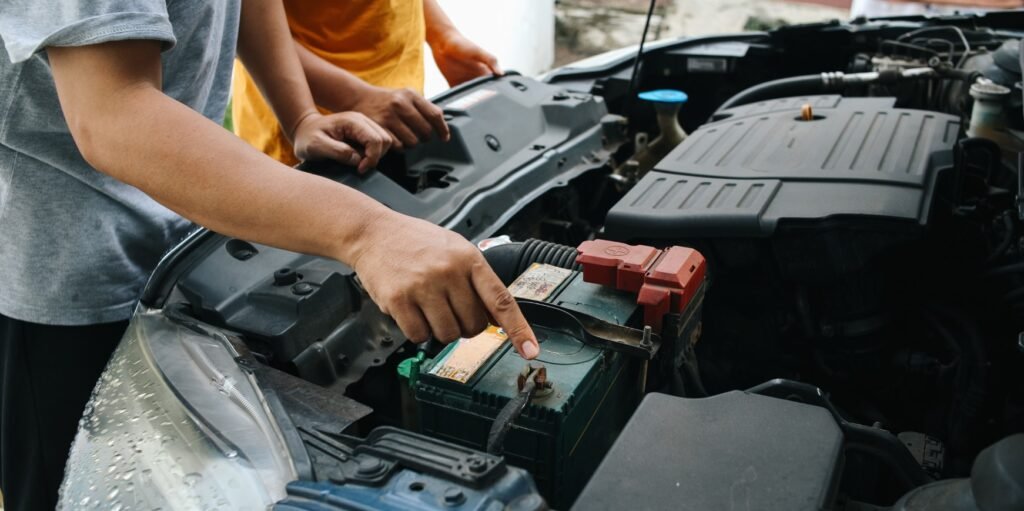
Before we dive into the “how-to,” it’s essential to understand why disconnecting the car battery is necessary in certain situations. Here are some key reasons why disconnecting the battery is crucial:
- Safety during repairs: If you’re working on the car’s electrical system or dealing with components like the alternator, starter, or fuses, disconnecting the battery helps avoid accidental electric shocks or short circuits.
- Preventing accidental airbag deployment: In modern vehicles, the airbag system is powered by the car’s electrical components. Disconnecting the battery ensures you don’t accidentally trigger an airbag while working on the car.
- Preserving vehicle settings: Disconnecting the battery is sometimes necessary when doing major repairs. This step helps reset certain settings or systems, especially those related to the car’s computer.
With these considerations in mind, let’s move on to how to properly disconnect a car battery.
Also Read: How Often to Rotate Tires: Essential Tips for Tire Maintenance
Step-by-Step Guide: How to Disconnect a Car Battery Safely
The process of disconnecting a car battery is straightforward but requires careful attention. Follow these steps to ensure that the task is performed safely and correctly.
1. Preparation: Gather Necessary Tools
Before you begin, ensure you have all the tools you need. Here is what you’ll need:
- Wrenches (typically 10mm or adjustable)
- Safety gloves
- Safety goggles
- A battery terminal cleaner (optional)
- A cloth or rag
It’s always a good idea to wear gloves and safety goggles when working with your car’s battery to prevent any accidental injuries or contact with potentially harmful chemicals.
2. Turn Off the Car and Remove the Keys
The very first step in safely disconnecting a car battery is ensuring the vehicle is turned off. Make sure the car is in the “off” position, and the keys are removed from the ignition. This prevents any electrical currents from flowing while you’re working with the battery.
3. Locate the Battery
The location of the battery depends on the make and model of your car. In most vehicles, the battery is located under the hood, either near the front or on one of the sides of the engine bay. In some cases, the battery may be located in the trunk or under the rear seat.
Consult your vehicle’s manual if you’re having trouble locating the battery. Once you’ve found it, take note of the two terminals—the positive (+) terminal (usually marked with a red cover) and the negative (-) terminal (often marked with a black cover).
4. Loosen and Remove the Negative Terminal First
The next critical step is disconnecting the negative terminal first. The reason for disconnecting the negative terminal first is to reduce the risk of a short circuit. Since the negative terminal is connected to the vehicle’s metal body, any accidental contact with metal while working on the positive terminal will not cause a dangerous spark.
Use your wrench to loosen the nut or bolt holding the negative cable in place. Once the nut is loosened, gently lift the negative cable off the terminal. Be sure to keep the cable away from the battery and the surrounding metal surfaces.
5. Disconnect the Positive Terminal
Once the negative terminal is disconnected, proceed to the positive terminal. Use the wrench to loosen the bolt or nut that holds the positive cable in place. Once loosened, carefully remove the cable from the terminal.
At this point, both terminals should be completely disconnected from the battery. It is important not to let either cable come into contact with the battery terminals or any other metal parts of the vehicle to avoid sparking.
Also Read: How to Check Engine Oil: Complete Beginner-to-Pro Guide
6. Remove the Battery (If Necessary)
If you’re removing the battery from your car—whether to replace it or for another purpose—check to see if there are any fasteners or brackets holding it in place. Most vehicles have a clamp or strap securing the battery to prevent movement during driving.
Use the appropriate tools to remove these fasteners, and then carefully lift the battery out of the compartment. Be cautious, as car batteries can be heavy (often weighing between 30 to 50 pounds). If the battery is difficult to lift, ask for assistance or use a lifting device.
7. Inspect the Battery and Terminals
Once the battery is removed, it’s a good idea to inspect it for any signs of corrosion or leaks. Battery corrosion can appear as a white, powdery substance around the terminals. If you notice corrosion, you can clean it with a mixture of baking soda and water, using a brush to gently scrub the terminals and connectors.
You can also inspect the battery cables for wear and tear. If you notice any damage, replace the cables before reconnecting the battery.
8. Reconnect the Battery
If you plan on reconnecting the battery after performing repairs, the procedure is simply the reverse of the disconnection process. Start by connecting the positive terminal first and tightening the bolt. Then, connect the negative terminal and secure it in place. Make sure both connections are tight, but be careful not to overtighten the bolts, as this could damage the terminals.
Important Tip: When reconnecting the battery, avoid touching any metal parts with your tools, as this could cause a spark or short circuit.
Also Read: How to Change a Tire Safely: Step-by-Step Guide
How to Disconnect Car Battery Diagram
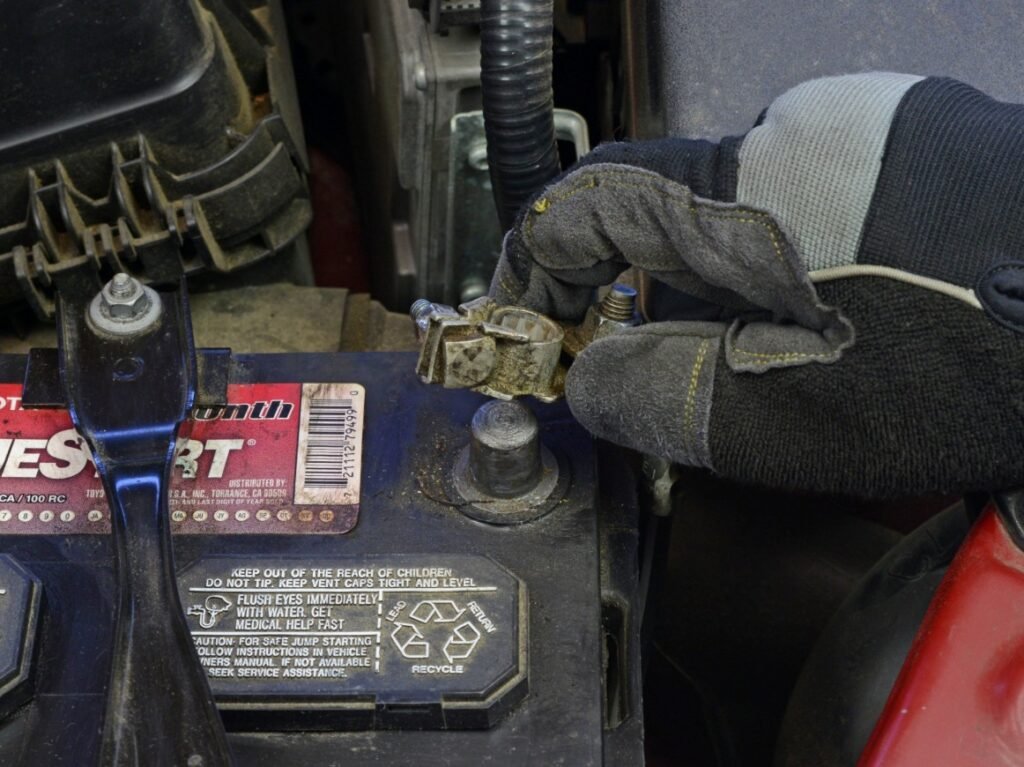
A how to disconnect car battery diagram can be helpful if you’re a visual learner. Typically, a diagram would show the battery terminals and the corresponding colors (red for positive and black for negative). The diagram would highlight the disconnection order: negative first, then positive.
When searching for diagrams, be sure to consult your vehicle’s manual or trusted online sources to ensure that the information is accurate for your car model.
Safety Tips When Disconnecting a Car Battery
Now that you know the basic steps, here are some additional safety tips to keep in mind when disconnecting a car battery:
- Never touch the terminals directly with bare hands, as doing so can lead to sparks, shocks, or other accidents.
- Use insulated tools to prevent electrical shorts when disconnecting the battery.
- Wear protective gear such as gloves and safety goggles to avoid contact with acid or sparks.
- Avoid smoking or open flames near the battery, as batteries can produce flammable gases.
- Check for leaks before disconnecting the battery. If you notice any signs of leakage, handle the battery with care and take it to a recycling center for proper disposal.
Conclusion
Learning how to disconnect a car battery safely is a vital skill for anyone who wants to maintain their vehicle or troubleshoot electrical issues. By following the step-by-step guide above, you can ensure that the job is done correctly without causing harm to yourself or your car. Remember to always prioritize safety by using the right tools and taking proper precautions.
In most cases, the process of disconnecting a car battery is simple, but it’s crucial to do so carefully and with respect for the vehicle’s electrical system. Whether you’re removing the battery for a quick repair, replacing it with a new one, or simply doing routine maintenance, these safety steps will help you manage the task with confidence.
Also Read: How to Check for Bed Bugs: A Complete Inspection Guide
FAQs
Q1: Can I disconnect the car battery while the engine is running?
No, it’s not safe to disconnect the battery while the engine is running. Doing so can cause damage to your car’s electrical system or even result in a dangerous short circuit.
Q2: How do I know if my car battery is dead?
Signs of a dead battery include the engine not starting, dim headlights, and electrical issues like malfunctioning power windows or air conditioning.
Q3: How often should I disconnect and check my car battery?
It’s recommended to check your battery at least once a year for corrosion or damage, but you should disconnect and replace it when you notice any performance issues or physical damage.
