

Knowing how to make buttermilk at home is one of those kitchen skills that quietly transforms your cooking and baking. Whether you are halfway through a recipe and realize you are out of buttermilk, or you simply want a fresher, more affordable alternative to store-bought versions, homemade buttermilk offers a reliable, flavorful solution. Using nothing more than milk and an acid like white vinegar or lemon juice, you can recreate the tangy, slightly thick liquid that chefs and bakers rely on for tender pancakes, flaky biscuits, moist cakes, and flavorful marinades.
This in-depth guide explains not only how to make buttermilk from milk, but also why it works, how it compares to traditional cultured buttermilk, and how to use it confidently in everyday recipes. Drawing on culinary science, professional baking practices, and real-world kitchen experience, this article will give you everything you need to master homemade buttermilk with confidence and consistency.
What Is Buttermilk and Why It Matters in Cooking
Buttermilk is traditionally the liquid left behind after churning butter from cultured cream. Historically, this liquid was naturally fermented and contained beneficial bacteria, giving it a tangy flavor and slightly thick texture. In modern grocery stores, most buttermilk is cultured intentionally by adding lactic acid bacteria to low-fat or whole milk, creating a consistent product with predictable acidity.
Understanding how buttermilk functions in recipes is key to appreciating why learning how to make buttermilk at home is so valuable. Buttermilk’s acidity reacts with baking soda to produce carbon dioxide, which helps baked goods rise. This reaction is responsible for the light, airy crumb in pancakes, waffles, cakes, and quick breads. Beyond leavening, buttermilk also tenderizes gluten and proteins, resulting in softer textures and richer mouthfeel.
In savory cooking, buttermilk’s acidity gently breaks down muscle fibers in meat, making it ideal for marinades, especially for fried chicken and pork. Its tangy flavor enhances dressings, soups, and sauces without overwhelming other ingredients.
How to Make Buttermilk From Milk Using Simple Ingredients
The most reliable method for how to make buttermilk from milk involves combining milk with an acid like white vinegar or lemon juice. This technique mimics the acidity of real buttermilk and creates a suitable substitute for most recipes.
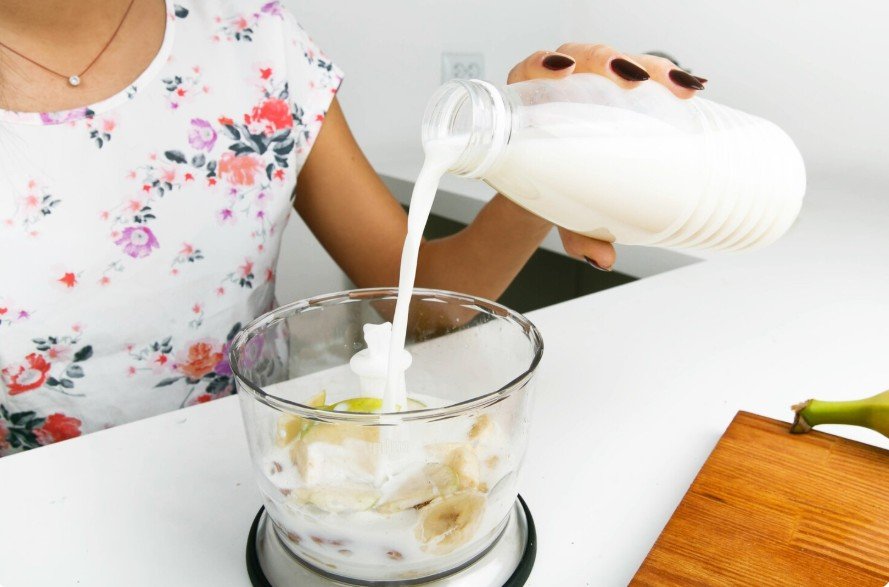
To begin, pour fresh milk into a measuring cup. Whole milk is preferred for the best texture and flavor, but low-fat milk also works well. Add a small amount of acid, either white vinegar or freshly squeezed lemon juice, and stir gently. Allow the mixture to rest at room temperature for several minutes. During this time, the milk will slightly thicken and develop a faint tang.
This transformation occurs because the acid lowers the milk’s pH, causing proteins to coagulate slightly. While the result is not fermented like traditional buttermilk, it performs nearly identically in baking and cooking applications. For most home cooks and bakers, this method is indistinguishable in the final dish.
This approach is widely accepted by professional chefs, test kitchens, and culinary schools as a dependable substitute when cultured buttermilk is unavailable.
Why Milk and an Acid Like White Vinegar or Lemon Juice Works
The science behind this method explains why it is so effective. Milk contains proteins, primarily casein, that remain suspended at a neutral pH. When an acid is introduced, the pH drops, causing these proteins to destabilize and clump slightly. This creates the thicker consistency associated with buttermilk and introduces the acidity needed for chemical leavening.
White vinegar is often preferred because it is flavor-neutral and does not leave a noticeable taste in the final product. Lemon juice adds a subtle citrus note, which can be pleasant in baked goods like cakes, muffins, and scones. Both acids achieve the same functional result, making them interchangeable depending on what you have on hand.
From a food safety standpoint, this method is also reliable. The acidified milk is safe to use immediately and does not require fermentation or refrigeration beyond normal milk storage.
Comparing Homemade Buttermilk to Store-Bought Buttermilk
While homemade buttermilk made from milk and acid is incredibly useful, it is important to understand how it differs from commercial cultured buttermilk. Store-bought buttermilk is fermented with live cultures, giving it a more complex flavor and slightly thicker body. It also contains beneficial bacteria similar to those found in yogurt.
Homemade buttermilk lacks these live cultures, meaning it does not offer probiotic benefits. However, in terms of performance in recipes, especially baking, the difference is minimal. According to tests conducted by several culinary publications, baked goods made with acidified milk rise and brown almost identically to those made with cultured buttermilk.
For applications where flavor complexity matters, such as salad dressings or cold soups, cultured buttermilk may offer a richer taste. For baking, marinades, and everyday cooking, homemade buttermilk is more than sufficient and often preferred for its convenience.
Also Read: How to Apply Qullnowisfap Products Effectively
Choosing the Best Milk for Homemade Buttermilk
Selecting the right milk plays a significant role in the final result. Whole milk produces the richest and most authentic texture, closely resembling traditional buttermilk. The fat content contributes to a smoother mouthfeel and better flavor integration in recipes.
Low-fat milk is a suitable alternative and still provides adequate thickness and acidity. Skim milk can be used in a pinch, though the result may be thinner. If using skim milk, allowing the mixture to rest slightly longer can help improve texture.
Plant-based milks such as almond, soy, or oat milk can also be acidified using vinegar or lemon juice. However, results vary depending on protein content. Soy milk tends to curdle more effectively, making it the best non-dairy option for those seeking a vegan buttermilk substitute.
Common Mistakes When Learning How to Make Buttermilk
One frequent mistake is using too much acid, which can result in an overly sour taste and excessive curdling. Balance is essential. The goal is gentle thickening and mild tang, not separation.
Another issue is using ultra-pasteurized milk that has been sitting open for too long. While safe, older milk may not react as predictably. Fresh milk yields the most consistent results.
Temperature also matters. Cold milk straight from the refrigerator can slow the reaction. Allowing the milk to sit at room temperature for a few minutes before adding acid helps achieve better texture.
How Long Homemade Buttermilk Lasts
Once prepared, homemade buttermilk should be used relatively quickly for best results. It can be stored in the refrigerator for up to two days, but its effectiveness as a leavening agent may diminish over time.
Unlike cultured buttermilk, homemade versions do not continue to develop flavor or thickness. If you notice separation or an off smell, discard it. When possible, prepare only what you need for a specific recipe.
Using Homemade Buttermilk in Baking Recipes
One of the primary reasons people search for how to make buttermilk is baking. Homemade buttermilks works exceptionally well in pancakes, waffles, muffins, biscuits, cornbread, and cakes. Its acidity activates baking soda, creating light textures and even crumb structures.
In chocolate cakes, buttermilk enhances cocoa flavor and balances sweetness. In biscuits, it creates tenderness while contributing to flaky layers. Professional bakers often rely on buttermilk substitutes during recipe testing because of their consistency and ease.
When substituting homemade buttermilks for store-bought, use a one-to-one ratio. There is no need to adjust other ingredients in most recipes.
Savory Uses for Homemade Buttermilk
Beyond baking, homemade buttermilk shines in savory dishes. It is excellent for marinating chicken, pork, and even vegetables. The acid tenderizes proteins without making them mushy, resulting in juicy, flavorful outcomes.
Buttermilk can also be used to create creamy salad dressings, dips, and sauces. When combined with herbs and spices, it provides a tangy base that complements rich ingredients.
In soups and stews, a splash of buttermilks can add brightness and balance heavy flavors. Chefs often use it as a finishing ingredient to enhance complexity.
Nutritional Considerations and Health Aspects
Homemade buttermilk retains the nutritional profile of the milk used, including calcium, protein, and vitamins such as B12 and riboflavin. While it lacks probiotics found in cultured buttermilk, it remains a nutritious ingredient.
Using whole milk increases calorie and fat content, which may be desirable for flavor and satiety. Low-fat options offer a lighter alternative while still delivering functional benefits.
For those with lactose sensitivity, the acidity may make buttermilks slightly easier to digest, though it is not lactose-free.
Cultural and Culinary Context of Buttermilk
Buttermilk has deep roots in many culinary traditions. In Southern American cuisine, it is a cornerstone ingredient for biscuits, fried chicken, and cornbread. In Indian cooking, fermented buttermilk known as chaas is consumed as a cooling beverage and digestive aid.
Understanding these traditions highlights why knowing how to make buttermilk from milk remains relevant today. It bridges historical practices with modern convenience, allowing home cooks to adapt classic recipes without compromise.
Also Read: Best IPTV Service in 2025 – Complete Expert Guide
Conclusion: Mastering How to Make Buttermilk at Home
Learning how to make buttermilk is a practical, empowering skill that saves time, money, and frustration in the kitchen. With nothing more than milk and an acid like white vinegar or lemon juice, you can create a reliable substitute that performs beautifully in both sweet and savory recipes.
This method aligns with professional culinary practices, is supported by food science, and meets the needs of modern home cooks. Whether you are baking a batch of fluffy pancakes, marinating chicken for dinner, or experimenting with classic recipes, knowing how to make buttermilks from milk ensures you are never limited by what is or is not in your refrigerator.
By understanding the why behind the process, choosing the right ingredients, and applying best practices, you can confidently use homemade buttermilk as a staple in your cooking repertoire.
Frequently Asked Questions About How to Make Buttermilks
Can I use apple cider vinegar instead of white vinegar?
Apple cider vinegar can be used, though it may impart a subtle flavor. White vinegar is more neutral and generally preferred for baking.
Does lemon juice affect the taste of baked goods?
In most cases, the lemon flavor is not noticeable once baked. In lightly flavored recipes, it may add a pleasant brightness.
Is homemade buttermilk the same as real buttermilks?
Functionally, yes for most recipes. Flavor-wise, cultured buttermilks is more complex, but homemade versions perform nearly identically in baking and marinades.
Can I make buttermilks ahead of time?
It is best made fresh, but it can be stored briefly in the refrigerator if needed.
Can non-dairy milk be used?
Yes, especially soy milk. Results vary depending on protein content and brand.
Read More: Fex Novo
