

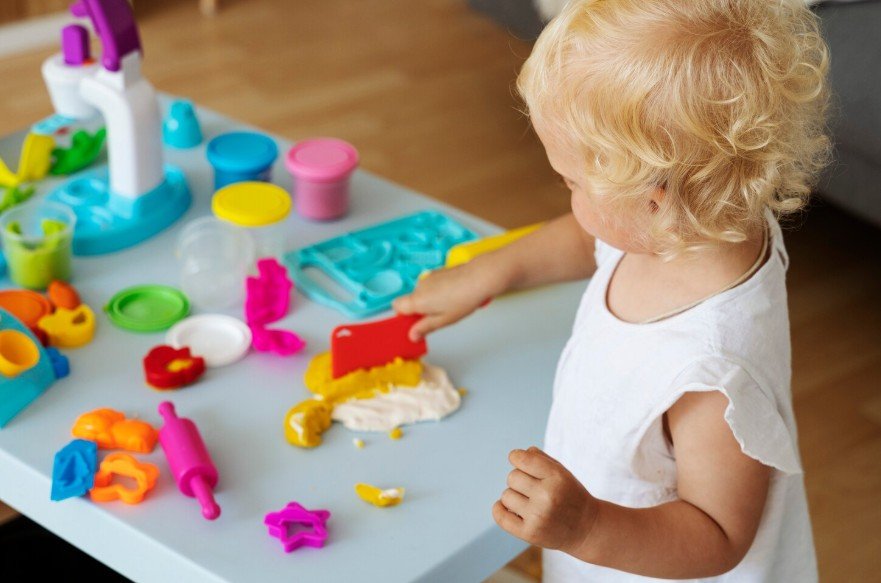
Playdough is a versatile and timeless tool for fostering creativity in children. Whether used for imaginative play, learning activities, or simply for a tactile sensory experience, playdough provides endless opportunities for fun. Knowing how to make playdough at home not only gives you the freedom to customize the texture and colors but also ensures that the dough is safe, non-toxic, and cost-effective.
In this article, we will take you through a detailed, step-by-step process on how to make playdough at home, share tips on how to make playdough soft again if it hardens, and suggest some fun variations that will keep your kids entertained for hours.
Why Make Playdough at Home?

You might be wondering why bother making playdough at home when it’s readily available in stores. The answer is simple: making playdough yourself offers a variety of benefits. First, homemade playdough is often more cost-effective. Store-bought versions can be pricey, especially if you have multiple children or use it frequently. Additionally, homemade playdough is completely customizable. You can choose the colors, textures, and even scents, creating a fun, sensory experience that meets your child’s preferences.
Another significant advantage is that homemade playdough allows you to control the ingredients. By making your own, you can ensure the dough is free from potentially harmful chemicals. This can be especially important if your child tends to put things in their mouth, as store-bought playdough can sometimes contain artificial fragrances or preservatives.
Moreover, the process of making playdough can be a fun and educational activity. It’s a wonderful way to bond with your children while teaching them about mixing, measurements, and the transformation of ingredients. So, if you’re looking for a simple, safe, and creative DIY project, making playdough at home is a fantastic option.
Also Read: How to Check Engine Oil: Complete Beginner-to-Pro Guide
Basic Ingredients for Homemade Playdough
To get started on your homemade playdough journey, you’ll need a few basic ingredients, many of which are staples in your kitchen. The following ingredients form the foundation of a traditional playdough recipe:
- Flour
- Salt
- Cream of tartar
- Vegetable oil
- Water
- Food coloring (optional)
- Essential oils (optional)
Flour serves as the main base for the dough, while salt helps with preservation and gives the dough its signature texture. Cream of tartar is a key ingredient that improves the playdough’s elasticity, ensuring it is both stretchy and easy to mold. The vegetable oil adds softness and flexibility to the dough, and water brings everything together into a smooth, workable consistency. Food coloring is used to give the playdough vibrant hues, while essential oils can add pleasant fragrances to the dough, enhancing the sensory experience.
Once you have these ingredients, you’re ready to begin creating your homemade playdough!
Step-by-Step Guide: How to Make Playdough at Home
Making playdough from scratch is an easy and fun process. Here’s how you can create your own batch at home, step by step:
Start by combining the dry ingredients. In a large mixing bowl, combine the flour, salt, and cream of tartar. Stir them together until they are evenly distributed. Cream of tartar helps create a smoother, more elastic texture, so don’t skip this ingredient.
Next, mix the wet ingredients in a separate bowl. Combine the water, vegetable oil, and food coloring (if you’re using it). You can adjust the amount of food coloring depending on how vibrant you want the dough to be. After mixing these ingredients, it’s time to heat them.
In a medium saucepan, pour the wet mixture and heat it over medium heat while stirring continuously. After a few minutes, you’ll start to see the mixture thicken and form a dough-like consistency. This is the point where you can add the wet ingredients to the dry mixture.
Pour the heated liquid mixture slowly into the bowl of dry ingredients. Stir continuously to prevent lumps from forming. As the mixture thickens, you may need to start kneading it with your hands. This will help the dough come together into a smooth and pliable texture.
Once the dough has cooled down enough to handle, knead it for several minutes until it becomes soft and smooth. If it feels too sticky, add a small amount of flour; if it’s too dry, add a little water. After kneading, let the dough cool completely before using it for play.
Also Read: How Often to Rotate Tires: Essential Tips for Tire Maintenance
How to Make Playdough Soft Again
If you’ve been using your homemade playdough for a while, you may encounter an issue where it has become hard or dry. This is a common issue, but the good news is that you can easily make playdough soft again with just a few simple techniques.
First, try adding a few drops of water to the dough. Knead it well to incorporate the water evenly throughout the dough. If the playdough is still too stiff, you can add a bit more water until it reaches the desired softness. Another option is to use vegetable oil, which can help restore flexibility to the dough. Add a small amount of oil and knead it in to improve the texture.
If you’re in a rush and the dough has become significantly hard, you can place the playdough in the microwave for a few seconds. Be sure to cover it with a damp towel to prevent it from overheating. Once it cools down, knead it again to make it soft and pliable.
By following these simple steps, you can extend the life of your homemade playdough and keep it soft for much longer.
Also Read: How to Cook Crab Legs Perfectly at Home | Easy Guide
How to Make Playdough with Flour
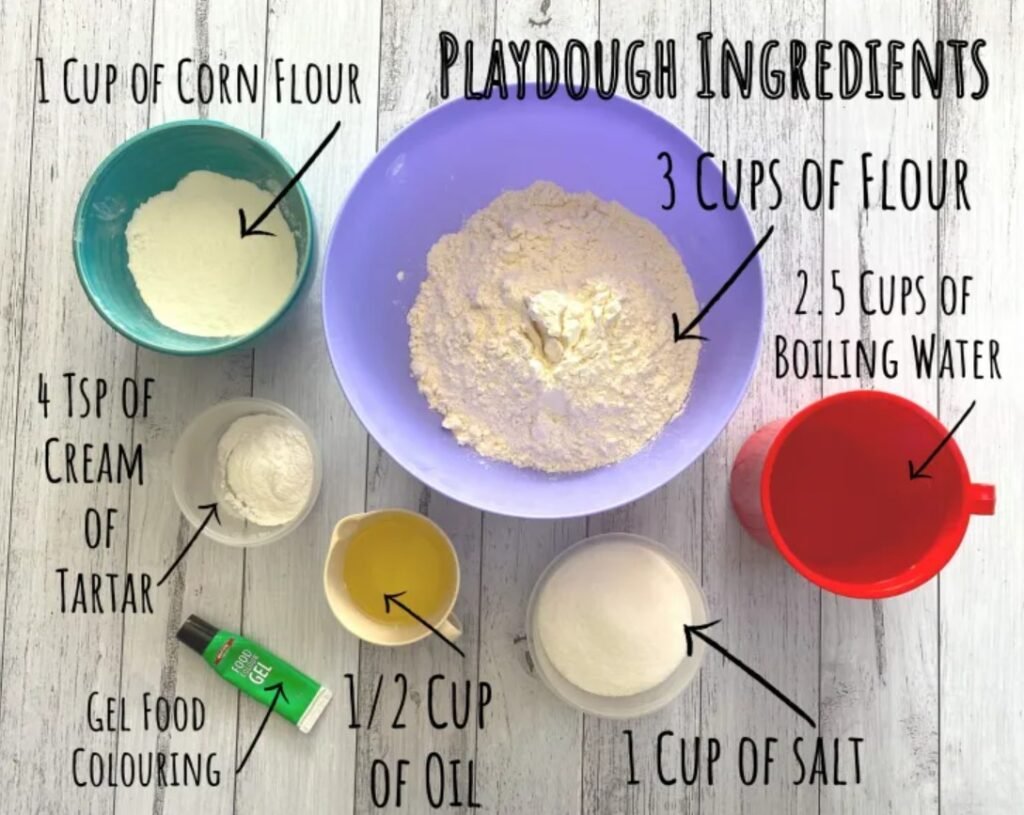
If you’re wondering how to make playdough with flour, you’ll be pleased to know that flour is one of the main ingredients in most playdough recipes. The process for making playdough with flour is very similar to the method described earlier. The flour serves as the primary base of the dough, giving it structure and texture.
To make playdough with flour, start by mixing 2 cups of all-purpose flour with 1/2 cup of salt and 2 teaspoons of cream of tartar in a large bowl. In a separate saucepan, combine 1 cup of water with 1 tablespoon of vegetable oil. If you wish to add food coloring, do so now, mixing it into the liquid ingredients.
Once the liquid is heated and begins to thicken, gradually pour it into the dry ingredients. Stir continuously until the dough forms, then knead it until it reaches a soft, smooth consistency.
By using flour as the main base, you can create a soft and pliable playdough that will provide hours of fun for your little ones. Experiment with different colors and scents to customize the dough even further!
Fun Variations of Homemade Playdough
Making your own playdough doesn’t have to stop at the basic recipe. You can easily add fun twists to the dough to keep your kids engaged and entertained. Here are some fun variations of homemade playdough:
Scented playdough is a popular option. By adding essential oils such as lavender, peppermint, or lemon, you can create a sensory experience that adds another layer of enjoyment to the play. Scented playdough’s is not only fun to smell, but it can also have calming or energizing effects depending on the oils you use.
Glitter playdough’s is another exciting variation. Add glitter to your dough to create a sparkly, magical version that’s sure to captivate your child’s imagination. The glitter won’t affect the dough’s texture, so it’s a great way to add a little extra fun without compromising playability.
Glow-in-the-dark playdough can be made by adding glow-in-the-dark paint or powder to your mixture. This variation is perfect for nighttime play or as part of a sensory exploration activity. The glowing effect is sure to add a touch of excitement to playtime.
Lastly, if you have a child who is likely to taste their creations, consider making edible playdough. You can use ingredients like powdered sugar, peanut butter, or marshmallows to create a dough that is safe for consumption. This edible version is just as fun to play with but offers peace of mind for parents.
Storing and Maintaining Your Homemade Playdough
To ensure your homemade playdough’s remains soft and usable for as long as possible, proper storage is key. After each use, store the playdough’s in an airtight container or a resealable plastic bag. This will prevent it from drying out and help maintain its soft texture.
If you notice that your playdough’s has become too dry or hard over time, simply follow the steps for making playdough soft again, and it should return to its original pliability.
Conclusion and FAQs
Making playdough at home is a rewarding and creative activity that provides endless opportunities for play and learning. With just a few basic ingredients, you can create a soft, colorful dough that your kids will love. Plus, the process itself can be a fun bonding experience for the whole family.
If your playdough starts to harden over time, don’t worry—there are simple methods to restore its softness. Whether you’re creating classic playdough, experimenting with fun variations, or troubleshooting common issues, homemade playdough is sure to keep your children entertained for hours.
FAQs
Can I use other types of flour for making playdough?
Yes, you can experiment with different types of flour like whole wheat flour or even gluten-free flour. However, the texture may vary, so it’s best to test small batches first.
How long does homemade playdough last?
When stored properly in an airtight container, homemade playdough’s can last for several weeks. If it starts to dry out, simply follow the steps to soften it again.
Can I add glitter or other fun additives?
Yes! You can add glitter, beads, or even small plastic toys to your playdough’s to make it more engaging and exciting for your kids.
