

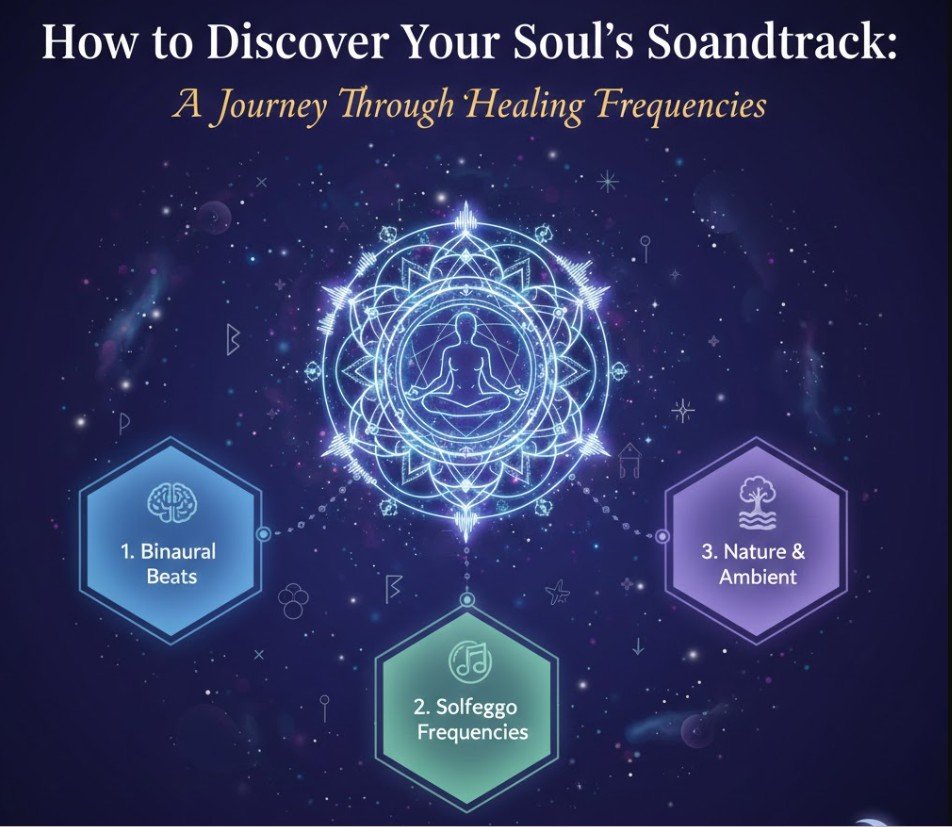
In today’s fast-paced world, stress and sleeplessness have become common struggles for many. One natural, effective solution for managing these issues is relaxing music. Whether you’re trying to unwind after a busy day, calm your nerves before sleep, or simply enhance your study environment, relaxing music offers a peaceful escape. In this article, we will explore how to use relaxing music for better sleep, stress relief, and other situations, such as for kids, dogs, or the classroom. Let’s dive into the therapeutic benefits of relaxing music, along with practical tips for incorporating it into your daily routine.
The Power of Relaxing Music: An Introduction to Its Benefits
Music has long been used as a tool for relaxation, but in recent years, research has highlighted its significant impact on mental well-being. Relaxing music can reduce stress, promote relaxation, and even improve sleep quality. The calming effects of music are linked to its ability to reduce cortisol (the stress hormone) levels in the body and activate the parasympathetic nervous system, which helps us to relax.
Why Relaxing Music Works for Stress Relief and Sleep
When we listen to relaxing music, our brain releases dopamine, a neurotransmitter associated with happiness and pleasure. This triggers a cascade of positive effects, helping to ease feelings of tension and promote a more peaceful state of mind. The slow tempo and soothing melodies found in relaxing music are also ideal for creating an atmosphere conducive to sleep and stress reduction.
Also Read: How to Relax: Effective Techniques for Reducing Stress and Finding Calm
How to Use Relaxing Music for Sleep
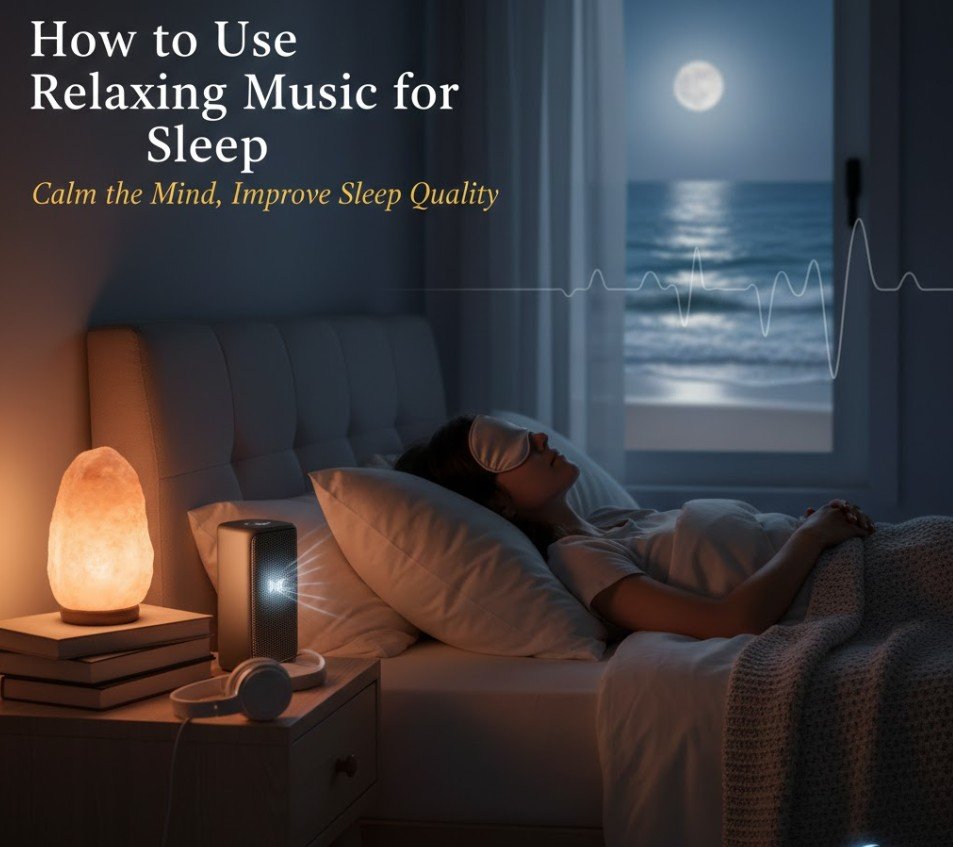
Using relaxing music before bed can significantly improve sleep quality by helping to calm the mind and body. Studies suggest that music with a slow tempo (about 60–80 beats per minute) mimics the heart rate during restful sleep and can help regulate sleep cycles. Whether you opt for instrumental music, nature sounds like ocean waves, or classical pieces, the key is consistency and creating a routine that signals to your body that it’s time to wind down.
How to Relaxing Music for Kids: Creating Calm Environments for Children
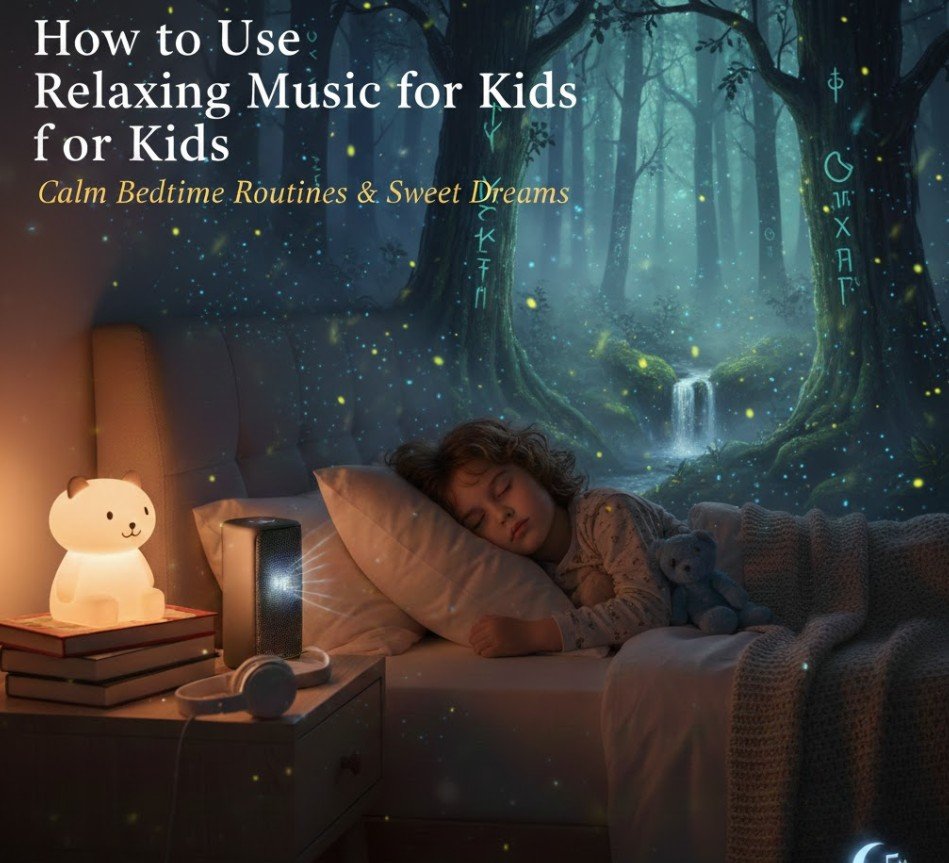
Children often struggle with stress and anxiety, whether due to school pressures, social challenges, or bedtime fears. Relaxing music for kids offers a gentle and effective way to calm an anxious or restless child. Whether used during playtime, before naps, or during bedtime routines, music can help children relax and reduce negative emotions.
Also Read: How to Minimize Pores: Expert Tips for Smooth Skin
Benefits of Relaxing Music for Kids
- Improved Sleep: Gentle lullabies or instrumental tracks can help babies and young children sleep better by promoting a sense of security and calmness.
- Stress Relief: Music can help reduce anxiety in children during stressful situations such as trips to the doctor, school, or family events.
- Focus and Calm: Music can also help improve concentration and focus, making it a great tool for kids who may struggle with hyperactivity or distractions.
How to Use Relaxing Music for Kids
To make the most of relaxing music for kids, create playlists with calming tracks that are appropriate for their age group. You can find pre-curated playlists on platforms like YouTube relaxing music or download relaxing music apps designed for children.
How to Relaxing Music for the Classroom: A Tool for Teachers
The classroom is a place of learning, but it can also be a source of stress and overstimulation. Many teachers now use relaxing music for the classroom to help students focus, relax, or transition between activities.
Benefits of Relaxing Music in the Classroom
- Improves Focus: Soft, instrumental music can help students concentrate during study time or when doing independent work.
- Reduces Anxiety: For students with anxiety or stress, calming music can provide a quiet refuge during exams or stressful class activities.
- Encourages Creativity: Music can inspire creativity, particularly in subjects such as art or writing, by providing a relaxed and open atmosphere.
How to Use Relaxing Music in the Classroom
To incorporate relaxing music into the classroom, try playing instrumental tracks or nature sounds during independent work time. There are also numerous YouTube relaxing music videos that can be used for calming breaks or quiet moments between lessons. If you prefer non-digital options, CDs or streaming services can be used for seamless transitions.
How to Relaxing Music for Stress Relief and Anxiety
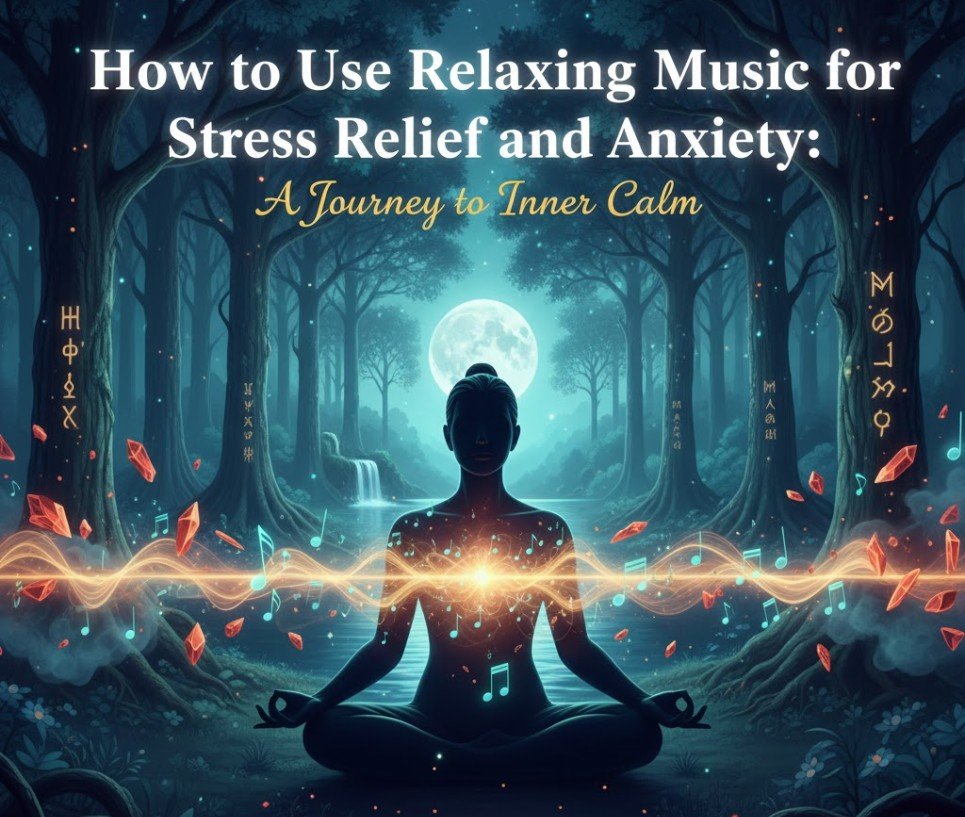
Stress and anxiety are mental health challenges that affect many people worldwide. Relaxing music for stress and relaxing music for anxiety can help reduce symptoms by promoting relaxation and improving mood. Slow tempos and calming melodies are essential in reducing the fight-or-flight response associated with anxiety.
Also Read: How to Make Playdough: Easy Guide for Soft, Homemade Playdough
Benefits of Relaxing Music for Stress and Anxiety
- Decreased Heart Rate: Calming music can slow down your heart rate and lower blood pressure, both of which are often elevated during periods of anxiety.
- Enhanced Mood: Music triggers the release of endorphins, which can improve mood and reduce the emotional toll of stress.
- Muscle Relaxation: The calming rhythms of relaxing music can reduce muscle tension, which often accompanies stress and anxiety.
How to Use Relaxing Music for Anxiety and Stress Relief
To relieve stress, listen to slow-paced music in a quiet space. Classical relaxing music’s, ocean relaxing music, or soft relaxing music are excellent choices. Apps and streaming platforms also provide curated playlists specifically designed to help alleviate anxiety.
How to Relaxing Music for Dogs

Surprisingly, music can also benefit your furry friends. Relaxing music for dogs can help calm anxious pets, particularly those suffering from separation anxiety or stress during storms or travel. Studies have shown that dogs respond positively to certain types of music, especially those with slower tempos and gentle tones.
Also Read: How to Calculate Square Feet: Easy Step-by-Step Guid
Benefits of Relaxing Music for Dogs
- Reduced Anxiety: Dogs with separation anxiety or those who become stressed in unfamiliar environments can benefit from calming music.
- Improved Sleep: Calming music can help dogs sleep better, especially during the night or while left alone at home.
- Behavioral Improvement: Relaxing music’s can also help to reduce hyperactivity and destructive behaviors, offering a more peaceful environment for both pets and their owners.
How to Use Relaxing Music for Dogs
Play soft instrumental music or nature sounds, like ocean waves or rain, to soothe your dog. You can find special playlists for dogs on YouTube or other streaming services.
How to Free Relaxing Music: Where to Find Music Without Cost
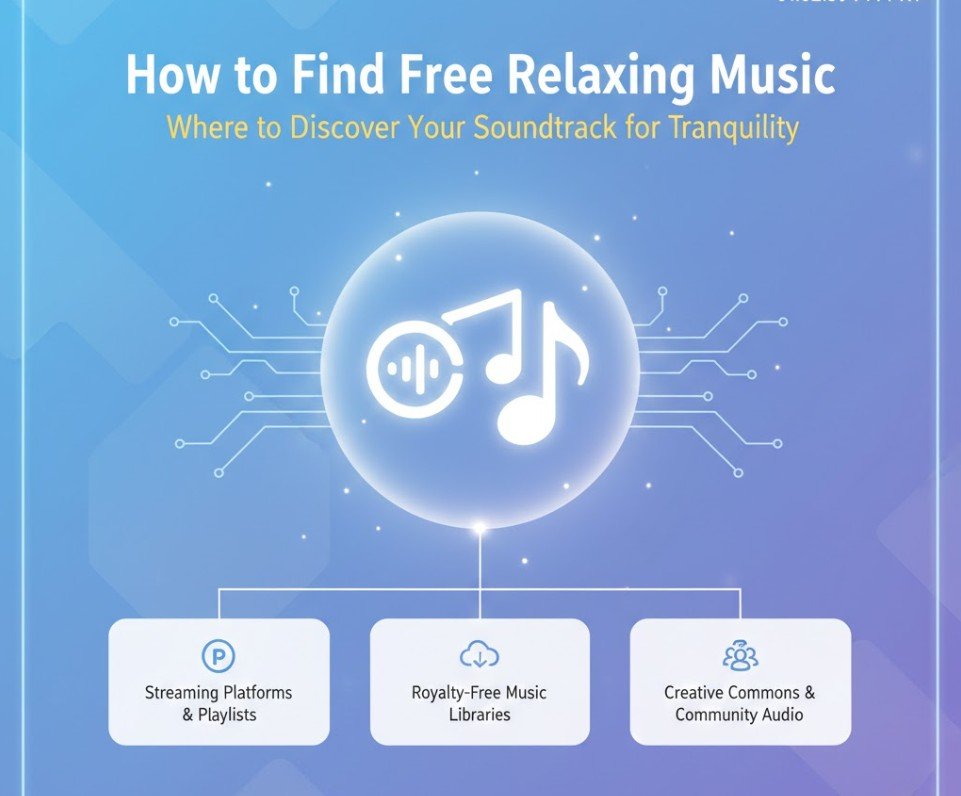
If you’re looking for free relaxing music, there are plenty of resources online. Many websites and streaming platforms offer free access to calming music, including nature sounds, instrumental tracks, and more.
Also Read: How to Use a Compass: A Beginner’s Guide to Navigation
Popular Platforms for Free Relaxing Music
- YouTube: Search for YouTube relaxing music playlists or channels that specialize in calming tunes. You can find a range of genres, from classical to ambient sounds.
- Spotify: Spotify offers free accounts with access to relaxing playlists, though it’s ad-supported.
- SoundCloud: SoundCloud also hosts a wide variety of free music, including ambient and calming tracks suitable for stress relief and sleep.
How to Classical Relaxing Music for Sleep and Stress Relief
Classical relaxing music is another excellent option for promoting relaxation, sleep, and stress relief. The harmonious nature of classical music has been shown to lower anxiety and promote emotional well-being.
Why Classical Music Works for Relaxation
Classical music with slow movements (such as compositions by Beethoven, Chopin, or Debussy) is especially effective in creating a calm atmosphere. These pieces help slow the heart rate and provide a soothing auditory experience that enhances relaxation.
How to Use Classical Music’s for Stress and Sleep
You can find classical music playlists on most streaming platforms. Choose pieces with a slower tempo, and listen to them in a dimly lit, quiet space to help promote sleep or stress relief.
How to Relaxing Music for Studying: Boosting Focus and Concentration
For students or anyone needing to focus, relaxing music for studying can improve concentration and productivity. Music without lyrics, such as ambient sounds or instrumental tracks, is often the best choice for studying.
Benefits of Relaxing Music’s for Studying
- Improved Focus: Calming music can help block out distractions, making it easier to concentrate.
- Increased Productivity: By reducing stress and promoting focus, relaxing music can help you study more effectively.
- Reduced Anxiety: For students who experience anxiety during exams or presentations, calming music can ease their nerves and boost confidence.
How to Use Relaxing Music for Studying
Search for relaxing music for studying on YouTube or use a music streaming service to find curated playlists. Opt for instrumental tracks that don’t have lyrics, as these are less likely to interrupt your thought process.
Conclusion: Embracing Relaxing Music for a Calmer, Healthier Life
Incorporating relaxing music into your daily routine can have profound effects on your physical and mental health. Whether you’re seeking better sleep, relief from stress, or a calm atmosphere for studying or parenting, there’s a type of music suited for every need. With countless free resources available online, it’s easier than ever to harness the power of music to enhance your well-being.
By using relaxing music’s strategically for sleep, stress, anxiety, and even for pets and children, you can create a peaceful environment that promotes relaxation and mental clarity. Start by exploring playlists on YouTube relaxing music channels, streaming platforms, or apps dedicated to stress relief and sleep enhancement.
FAQs
- What type of relaxing music is best for sleep?
Slow-paced instrumental music, classical pieces, or nature sounds like ocean waves are ideal for sleep. Choose music with a tempo of around 60–80 beats per minute. - Can relaxing music’s really reduce stress and anxiety?
Yes, relaxing music’s has been shown to lower cortisol levels, slow heart rate, and reduce muscle tension, making it an effective tool for managing stress and anxiety. - How can I use relaxing music for kids?
Play soothing lullabies or instrumental music to help calm children during playtime or before bedtime. You can also find curated playlists designed specifically for children’s relaxation. - Is there free relaxing music’s available online?
Yes, platforms like YouTube, Spotify, and SoundCloud offer free access to relaxing music’s, with a variety of playlists designed for sleep, stress relief, and focus.
